Song Meaning
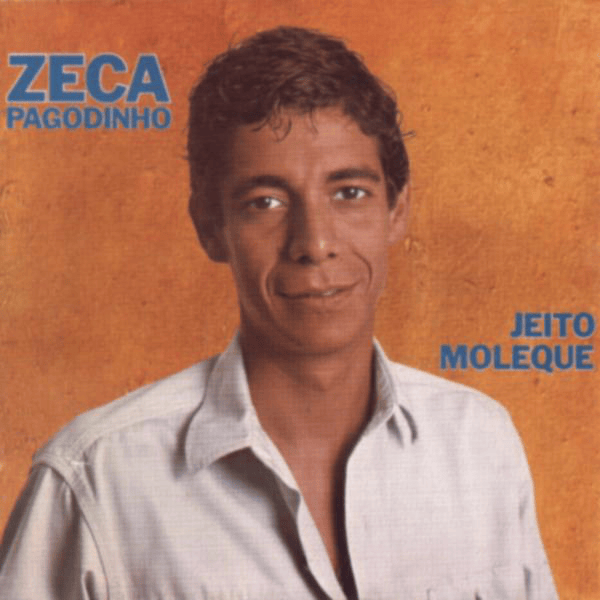
Zeca Pagodinho's "Pisa Como Eu Pisei" isn't just a song; it's a gauntlet thrown down, a challenge issued to anyone who dares to walk in his shoes. It's a proclamation of self, built on a foundation of hard-earned respect and a life lived according to a personal code. The recurring lines, "Chega como eu cheguei / Pisa como eu pisei / No chão que me consagrou," aren't an invitation to imitation, but rather a dare to prove oneself worthy of the same ground he occupies. The "law" he never broke, divinely ordained, suggests a moral compass deeply ingrained, a personal integrity that has guided him through the trials that paved his path.
The lyrics delve into the complexities of identity and perception. Pagodinho acknowledges the superficiality of recognition: people claim to know him, yet remain ignorant of his "real interior." This speaks to the universal struggle of being reduced to a caricature, a public persona that eclipses the multifaceted individual within. He embraces paradox, declaring himself both "verso e reverso," "prazer, também sou dor," a microcosm of the universe itself. He is cause and effect, crooked and straight, a walking contradiction unified by the simple declaration, "Eu sou o que sou." This acceptance of inherent contradictions is a mark of profound self-awareness, a refusal to be confined by rigid definitions.
The latter verses reveal a vulnerability beneath the bravado. He speaks of coming "na pureza do vento," a connection to something elemental and untainted. Yet, this journey leads him to "o choro no pé da cruz," a confrontation with suffering and the disillusionment of witnessing "tanta ingratidão." The song, therefore, isn't just about claiming one's space, but acknowledging the pain and sacrifice that come with it. The song meaning ultimately resides in the synthesis of strength and vulnerability, a portrait of a man who has earned his place, not through blind luck, but through navigating the complexities of life with both grace and grit.
 View Artist