Song Meaning
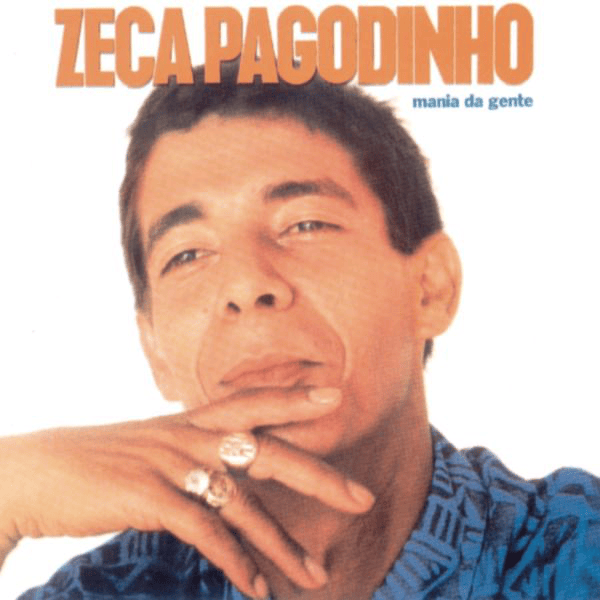
Zeca Pagodinho's "Won’t Let Go (Traduction française)" (though originally a Juice WRLD song, this version is clearly a distinct interpretation) is less a direct translation and more a reimagining—a vibrant portrait of resilience painted with the colors of everyday labor. The lyrics evoke a scene of women washing clothes, a seemingly mundane task elevated to a ritualistic act of perseverance. The repetition of "Põe água na tina, menina" (Put water in the tub, girl) establishes a grounding rhythm, anchoring the song in the tangible reality of their work. It’s a call to action, but also an acknowledgement of the cyclical nature of life and labor. The mention of soap, scrubbing, and sun-bleaching ('bate, bate com sabão, Esfrega, esfrega na mão, Depois bota pra quarar') emphasizes the physicality and effort involved. The sun, described as warming beautiful mornings with immense splendor, adds a layer of natural beauty and hope. The image of washerwomen's songs echoing in the sunset (o canto das lavadeiras Ecoa no arrebol) transforms their labor into a powerful expression of collective identity.
The song doesn’t shy away from the harsh realities of life, but it subtly infuses them with moments of grace. Maria, rinsing clothes in a basin of blue water, adorned with a necklace of clothespins, embodies a quiet dignity. The act of hanging clothes on the line becomes almost sacred, a small act of defiance against the monotony of existence. The lyrics emphasize that despite the endless cycle of work, the women continue to sing a subtle song of love. This song, carried by the wind throughout Brazil, penetrates hearts and encourages youthful spirits. The song meaning resides in its ability to find beauty and strength in the ordinary, and to connect individual struggles to a larger, collective narrative.
Ultimately, “Won’t Let Go (Traduction française)” is a celebration of the unsung heroes of daily life—the women who, through their labor and song, sustain both their families and the spirit of a nation. It's a testament to the power of music to transform the mundane into the profound, and to find hope even in the face of hardship. Zeca Pagodinho’s rendition acts as a reminder that even the simplest acts of creation and perseverance can resonate far beyond their immediate context, offering solace and inspiration to all who hear them.
 View Artist