Song Meaning
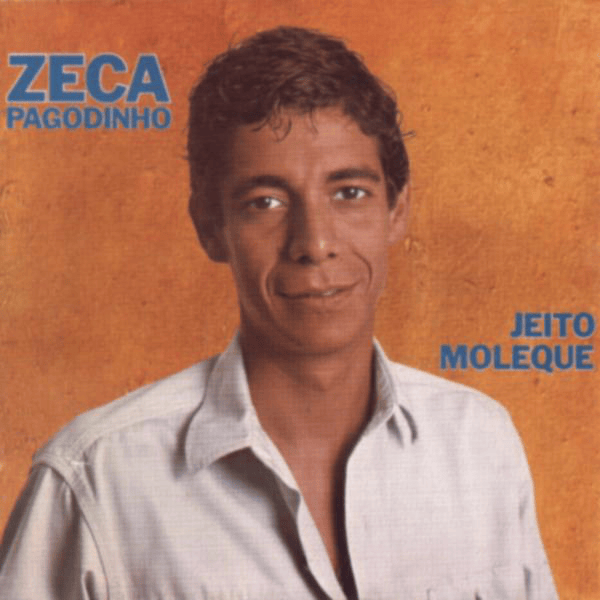
Zeca Pagodinho’s "Jeito Moleque" isn't just nostalgia; it's a carefully constructed monument to the formative friction of childhood. The opening verses are a rapid-fire montage of youthful indiscretions: sidewalk soccer, perpetually dirty faces, the freedom of bare feet. Pagodinho isn't merely recalling these moments, he's inviting us to remember the specific textures of youthful rebellion against encroaching order. The grandmother's scolding, the mother's punishments for academic failings, the father's threats of discipline – these aren't presented as traumas, but as the necessary counterweights to a life lived in joyful chaos. They are, in essence, the forge that shapes the "moleque" – the rascal – into something more. The lyrics analysis suggests that the 'moleque' is a metaphor for a certain kind of Brazilian identity – one forged in the tension between freedom and responsibility. It is important to note that Zeca Pagodinho never judges his childhood actions, or the reactions of the adults.
The chorus, a simple plea to be rocked to sleep ("Embala eu babá / Embala eu"), adds a poignant layer of vulnerability. It's a child's yearning for comfort and security amidst the pressures of growing up. The repetition emphasizes the primal need for reassurance, a desire that persists even as the "moleque" learns to navigate the adult world. The song's lyrics present a complex emotional landscape, acknowledging the universal desire to be free and carefree while simultaneously recognizing the necessity of structure and guidance.
Ultimately, the song meaning of “Jeito Moleque” lies in its understanding that childhood is not a state of pure innocence, but a dynamic process of negotiation between instinct and expectation. It's a celebration of the "moleque" spirit – that irrepressible energy that drives us to explore, to challenge, and to ultimately find our place in the world, even if it means carrying a few scars (and fond memories) along the way. It’s a reminder that the constraints we rail against often contribute to who we become.
 View Artist