Song Meaning
Zeca Pagodinho's "Cidade do Pé Junto" isn't just a samba lament; it's a masterclass in saudade, that uniquely Portuguese-Brazilian flavor of melancholic longing. The hook hits hard from the start: a heart that was once a budding rose is now simply, irrevocably, *saudade*. This isn't just sadness; it's a yearning so profound that even seeing him brings no joy. The central image of the "cidade do pé junto" – literally, the city of the close foot, a euphemism for death – underscores the totality of this emotional devastation. He's not just missing someone; he's being pulled towards oblivion by the weight of their absence.
The verses amplify this sense of desolation. Away from his love, his soul is in mourning. He questions how he could have surrendered so completely, a sentiment many can relate to after a love gone sour. The line, "Eu que sorria, hoje vivo a chorar" ("I who used to smile, today I live crying") is delivered without self-pity, more like a statement of irrefutable fact. The failed orchard, where the love he planted bore no fruit, is a particularly evocative metaphor for wasted emotional investment.
Ultimately, “Cidade do Pé Junto” transcends a simple breakup song. It’s a meditation on the power of absence to define a life. Pagodinho isn't wallowing; he's acknowledging the gravity of saudade, recognizing its power to reshape one's very existence, even to the point of anticipating a final destination guided by grief. It’s a dark sentiment, but one delivered with the rhythmic grace and emotional honesty that defines Pagodinho's best work.
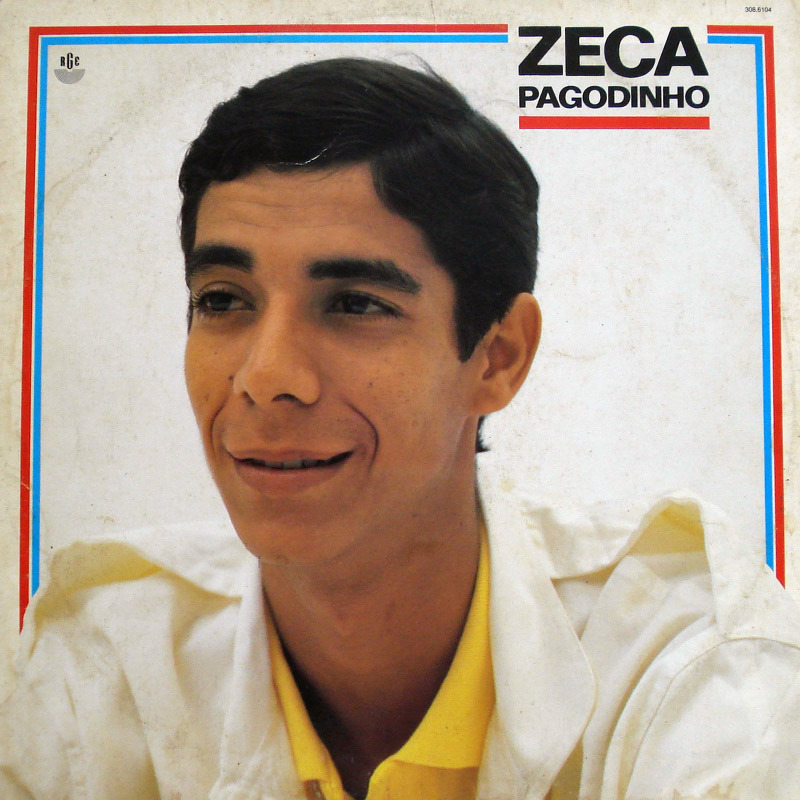
 View Artist