Song Meaning
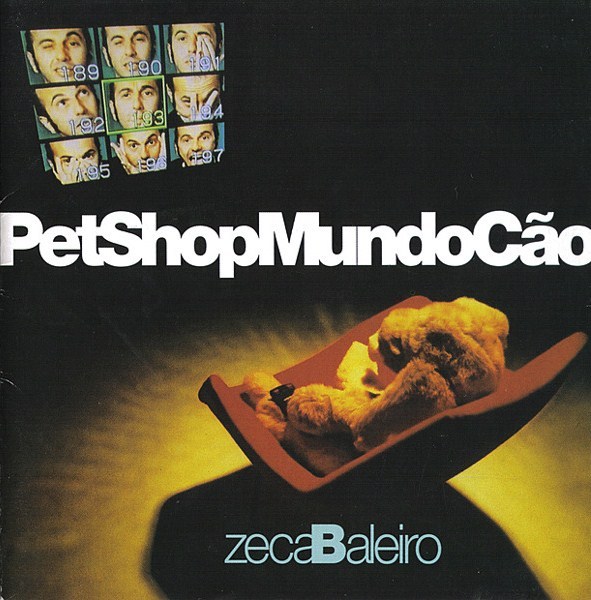
The lyrics paint a picture of a constricted, commercialized world, a "pet shop" where culture is a bargain-bin item. The narrator observes a "pekinese world," a "compressed," where wealth seems fleeting ("a Midas per month"). This setting feels artificial, a place where genuine value is overlooked in favor of fleeting trends and superficiality. The repetition of "Mundo cão" (dog world) immediately establishes a tone of struggle and primal survival within this manufactured environment.
The central tension arises from the narrator's fierce defense of their own culture and identity against this prevailing artificiality. They declare, "I defend my culture with teeth and paw," rejecting any perceived weakness or impurity. The narrator positions themselves as a resilient "mutt," unyielding and proud, contrasting with the "pedigree" of the commercialized world. This defiance is not about seeking validation but about asserting an intrinsic worth that cannot be bought or sold.
The most striking craft element is the potent metaphor of the "mutt" versus the "pedigree dog." The narrator reclaims the often-derogatory term "vira lata" (mutt/stray) and imbues it with strength and authenticity. This isn't just about being a mongrel; it's about possessing an unshakeable spirit and a "ferocious beat" that defends their art and integrity. The phrase "bones of the trade" suggests that this struggle for authenticity is an inherent, albeit difficult, part of their creative existence.
 View Artist