Song Meaning
This track paints a picture of a relationship teetering on the edge, fueled by a potent mix of desire and insecurity. The narrator lays down a clear ultimatum: commit or lose me. There's a playful, almost taunting, edge to the demands, suggesting a power dynamic where the narrator holds the cards, threatening to retreat if their partner hesitates. The immediate emotional texture is one of anxious anticipation, underscored by a dramatic flair.
The central tension lies in the narrator's conditional affection. They offer their most prized possessions – their love, their kiss, their very essence – but only if the partner actively pursues them. The lyrics suggest a fear of being unwanted, leading to a preemptive strike of independence, albeit one that feels fragile. This push-and-pull creates a sense of urgency, as the partner must prove their interest to keep the narrator close.
The most striking craft element is the rapid-fire list of escape routes and the stark contrast between the narrator's desired state and their threatened reaction. Phrases like "Volto pra mamãe volto pra papai" and "Corro pro xingu fujo pra xangai" highlight a desire for immediate, almost childish, retreat or grand, distant escape. This is juxtaposed with the consequence of rejection: "Eu fico dodói fico jururu," a childlike expression of hurt, followed by more institutional-sounding places like "Vou pro juqueri volto pra bangu," hinting at a deeper, more profound distress.
What makes these lyrics hit so hard is the raw vulnerability masked by assertive demands. The narrator isn't just saying goodbye; they're detailing the specific, almost theatrical, ways they'll retreat and the emotional fallout. The shift from confident pronouncements to "fico dodói" reveals a deep-seated fear of abandonment, making the initial bravado feel like a defense mechanism. It’s this blend of playful control and underlying fragility that resonates, the lyrics suggest, makes the narrator's affections so compelling and their potential loss so impactful.
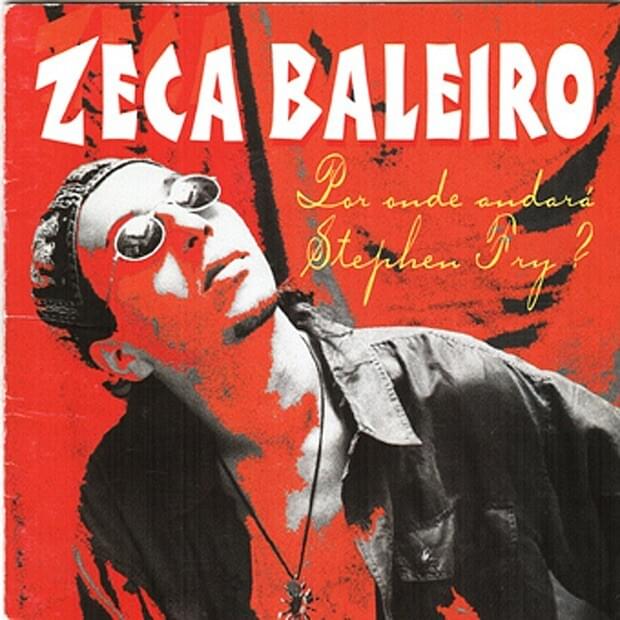
 View Artist