Song Meaning
The lyrics paint a picture of someone trapped in a cycle of mental escape, trying to return to a familiar past that's ultimately unattainable. There's a palpable sense of internal struggle, a mind that's 'aching' and 'breaking your heart' through constant, perhaps futile, attempts to 'rest your mind.' This isn't a peaceful retreat but a desperate, repetitive effort, underscored by the phrase 'All the time' which emphasizes the persistent, overwhelming nature of this mental state. The narrator seems to be observing this struggle, urging a shift in perspective.
The core tension lies between this internal confinement and the potential for liberation offered by the mind itself. While the first verse details the exhausting effort of trying to find solace in memory, the second introduces a powerful counterpoint: the idea that the mind is actually 'open.' This suggests that the perceived limitations are self-imposed, and the true escape isn't backward, but forward into possibility. The repetition of 'The rest is up to you' acts as both a gentle nudge and a stark reminder of agency.
The most striking aspect is the contrast between the 'home that you knew' and the boundless potential of an 'open' mind. The lyrics offer vivid, expansive imagery like 'safaris right up into the sky's open' to illustrate this freedom. This isn't about finding a specific destination, but about embracing the act of exploration itself. The repeated phrase 'Might wind up just anywhere' at the end, while potentially ambiguous, feels less like a warning and more like an acceptance of the unpredictable, yet liberating, nature of true openness.
Ultimately, the effectiveness of these lyrics stems from their direct confrontation of internal struggle and their subsequent offering of a powerful, empowering alternative. The shift from the aching, breaking mind to the open, dreaming mind creates a compelling emotional arc. It's the realization that the prison is also the key, and that the power to change one's internal landscape rests entirely within. The simple, declarative statements like 'You can do it' and 'Don't have to be lonely' resonate because they are grounded in the preceding depiction of mental anguish, making the eventual call to action feel earned and deeply resonant.
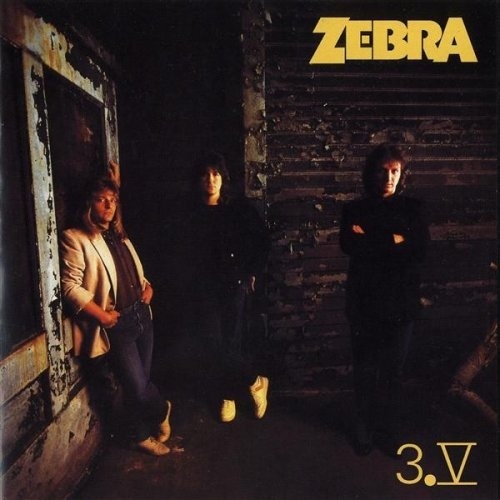
 View Artist