Song Meaning
Zé Ramalho's "Voa Voa" isn't just a song; it's a sonic spell, a deeply textured exploration of love, longing, and the bittersweet dance between hope and melancholy. The insistent repetition of "Voa, voa, voa / Para bem longe nos olhos do meu amor"—fly, fly, fly, far away into the eyes of my love—immediately plunges us into a realm where desire transcends the physical. It's a yearning for something beyond the surface, a wish to be utterly consumed by and lost within the beloved. The eyes, in this context, aren't mere physical features but portals to the soul, promising both intimacy and a kind of beautiful oblivion.
But the path to this connection, as Ramalho makes clear, isn't straightforward. The lyrics "Quem me quiser querendo / Vai ter que clarear / A noite todo dia / Para que a melodia da melancolia vá lhe aperrear" (Whoever wants me wanting them, will have to illuminate the night every day, so that the melody of melancholy will harass them) serve as a warning, or perhaps a challenge. To truly love, one must confront and embrace the inherent sadness, the potential for heartbreak that comes with vulnerability. It’s not a lighthearted invitation; it’s a declaration that genuine connection demands resilience, a willingness to navigate the shadows. The "melody of melancholy" isn't something to be avoided but something to be understood and even appreciated as an integral part of the experience.
The final verses introduce a surreal, almost dreamlike quality. "É quando a boca bebe o líquido do mar / E fica embriagada, toda abandonada / Como se calada, rouca de falar" (It is when the mouth drinks the liquid of the sea, and becomes drunk, all abandoned, as if silent, hoarse from speaking). This imagery evokes a sense of overwhelming emotion, a surrender to the intoxicating power of love that leaves one speechless and vulnerable. The sea, vast and unknowable, represents the depths of feeling, and to drink from it is to be consumed by its immensity. The paradox of being "calada, rouca de falar"—silent, hoarse from speaking—suggests a profound internal struggle, a desire to express something that defies articulation. In essence, "Voa Voa" is a complex meditation on the intoxicating, sometimes painful, but ultimately irresistible pull of love, urging us to fly into its depths even as we acknowledge the inherent risks.
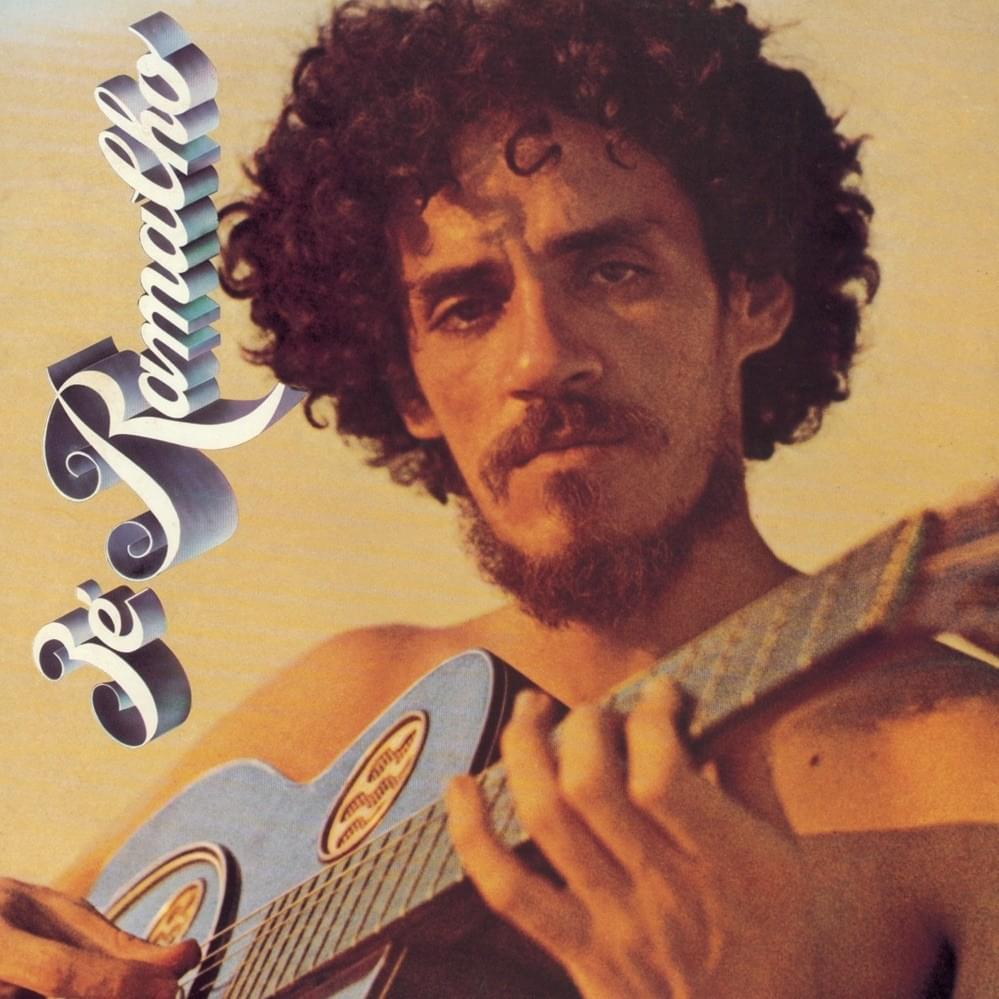
 View Artist