Song Meaning
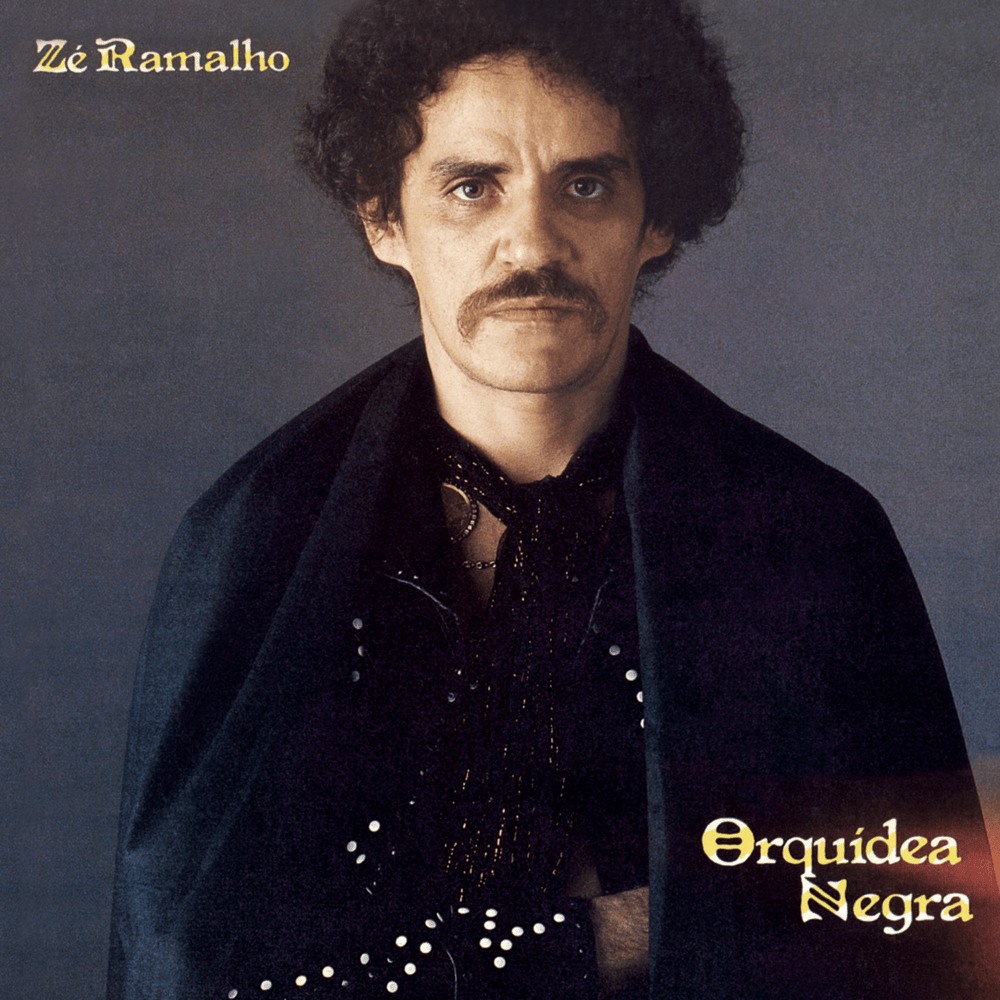
Zé Ramalho's "Orquídea Negra" isn't a song so much as a fever dream sculpted from the Brazilian Northeast. The lyrics, dense with imagery of the *sertão* (the arid backlands), paint a portrait of a powerful, almost mythical feminine figure. This "Black Orchid" isn't a delicate flower; she's a force of nature, a paradox of strength and tenderness. Ramalho establishes her as the wellspring of desire, a "gentle fortress," suggesting a complex relationship where vulnerability and power are intertwined. She is both refuge and enigma, the "mysterious wind" that sets the windmills of the *sertão* spinning. The lyrics hint at a deep connection to the land itself, making her an almost elemental being.
This woman embodies resilience. She’s the "amalgam of my armor," a shield against the harsh realities of life, yet also connected to the "winds that pass through the grotto," suggesting she's not immune to hardship. The contrast between her protective nature and the imagery of struggle is central to the song’s meaning. She is both the "fine music of the wood" and the "dog with heads pulling," a duality of beauty and pain. Even the reference to the "hot blade of the wood" used by "washerwomen who wash the *sertão*" underscores the theme of strength emerging from a difficult existence.
Ultimately, "Orquídea Negra" transcends a simple love song. It's a meditation on the feminine divine, on the enduring power of the human spirit, and on the profound connection between people and the land that shapes them. She's the "last drop of dew" and the "lance in the middle of the garden," a potent symbol of hope and resistance in a harsh environment. The final lines, referencing the "wool of the camel and the sheep," tie her back to the primal origins of life, to the "pain from the beginning of the orchard," solidifying her role as a maternal, almost earth-mother figure. The song's meaning resides in this complex tapestry of images, creating a powerful and enduring tribute to the strength and beauty found in the heart of the *sertão*.