Song Meaning
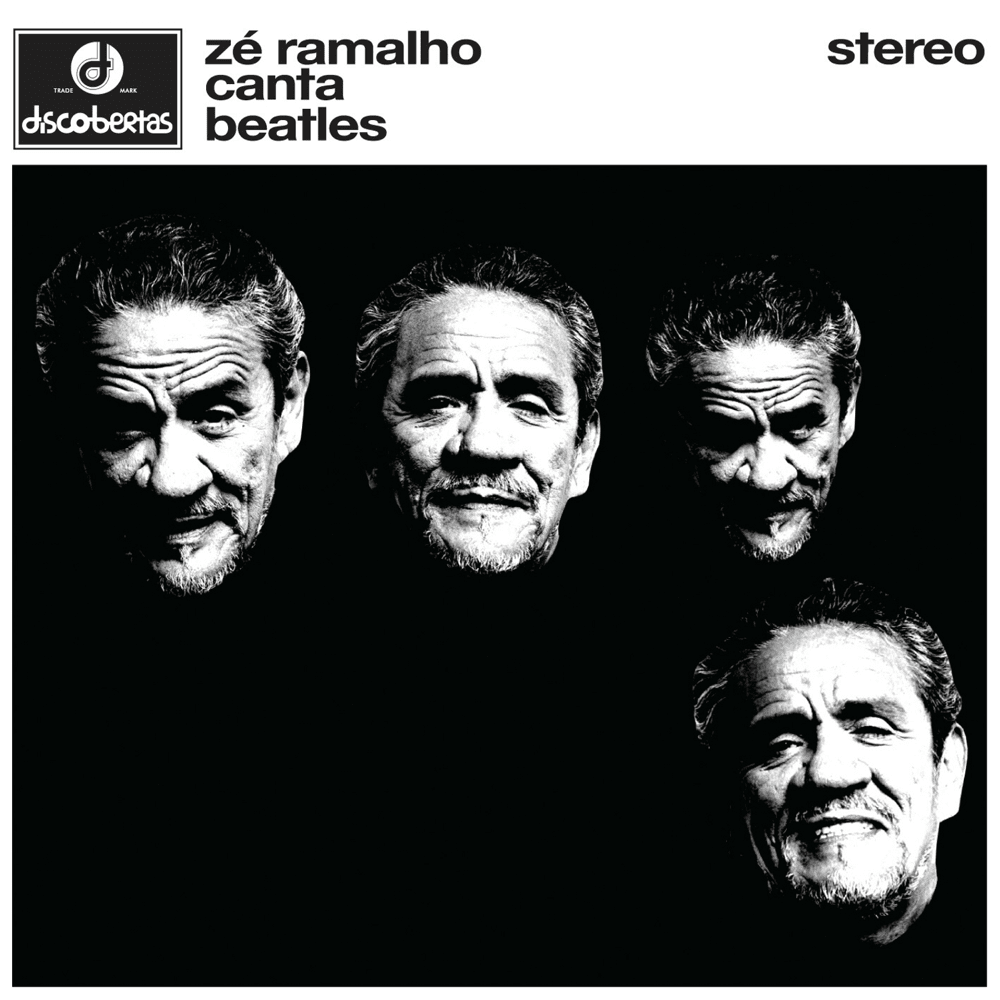
Zé Ramalho's rendition of "God" isn't just a song; it's a raw, unflinching autopsy of faith and disillusionment, performed on the operating table of the human psyche. Ramalho, inheriting the track, dives headfirst into John Lennon's original sentiment, amplifying the core idea that 'God is a concept by which we measure our pain.' This isn't a simple atheistic declaration but a weary acknowledgement of how humanity projects its suffering onto a divine framework. The repetition drives the point home: we create gods, ideologies, and belief systems to quantify and, perhaps, manage the unbearable.
Ramalho doesn't stop at the abstract. The subsequent litany of disbelief—magic, I-Ching, Bible, Tarot, Hitler, Jesus, Kennedy, Buddha, Mantra, Gita, Yoga, Kings, Elvis, Zimmerman, Beatles—is a sweeping rejection of external authorities and prefabricated belief structures. It's a bold, almost nihilistic inventory of discarded idols, each name carrying the weight of historical baggage and failed promises. The pointed inclusion of figures like Hitler and Jesus, alongside cultural icons like Elvis and The Beatles, blurs the lines between the sacred and the profane, suggesting that all external belief systems, regardless of intention, ultimately fall short.
The final verse offers a glimpse of hope amidst the wreckage. The assertion, 'I just believe in me, Yoko and me, and that's reality,' is a radical act of self-reliance and finding solace in human connection. The 'dream is over' refrain marks a painful but necessary awakening. The shedding of past identities ('I was the dreamweaver,' 'I was the walrus, but now I'm John') signifies a rebirth, a stripping away of manufactured personas to embrace authentic selfhood. This isn't just about Lennon's personal journey; it's a universal call to confront the illusions we cling to and find meaning within ourselves, even when the dreams of yesterday have faded.
 View Artist