Song Meaning
Zé Ramalho's "Dia dos Adultos" isn't a celebration; it's a warning siren wrapped in the gauze of hope. The stark opening lines, urging caution against both "the right hand" and "the left hand," immediately position us in a landscape of political and ideological suspicion. It's a world where binary choices are traps, and a "coringa" (joker) lurks in the center, a wildcard of chaos and unpredictable power. The "head in daydream" suggests a leadership detached from reality, perhaps lost in ideology or simply incompetent. Ramalho paints a picture of a populace running "half undecided," gripped by "that old and holy insecurity." This insecurity, born from historical trauma and persistent social inequalities, becomes a breeding ground for manipulation and fear. The song is a potent reminder that political polarization can be a weapon, and uncertainty the most fertile ground for its use.
Against this backdrop of anxiety and manipulation, the repeated assertion that "there is in a child definitive great hope" serves as the song's emotional anchor. It's not a naive optimism, but a grounded one. The "definitive" nature of this hope suggests that children, unburdened by the cynicism and compromises of adulthood, represent a potential for genuine change. They are the antithesis to the "head in daydream," a reminder of the fundamental human capacity for empathy and justice. However, this hope is not passive; it requires cultivation and protection. The song implies a responsibility for adults to create a world worthy of that hope, to shield children from the forces that perpetuate fear and division.
Ultimately, "Dia dos Adultos" functions as both a diagnosis and a prescription. It exposes the vulnerabilities of a society susceptible to manipulation, while simultaneously offering a path forward through the potential of future generations. The song meaning isn't simply about blind faith in youth, but rather an urgent call to action. It suggests that true progress lies not in clinging to outdated ideologies or succumbing to fear, but in nurturing the inherent goodness and unwavering hope embodied by the child. Zé Ramalho uses the stark contrast between adult failings and childhood potential to deliver a powerful, if unsettling, message about the future of society.
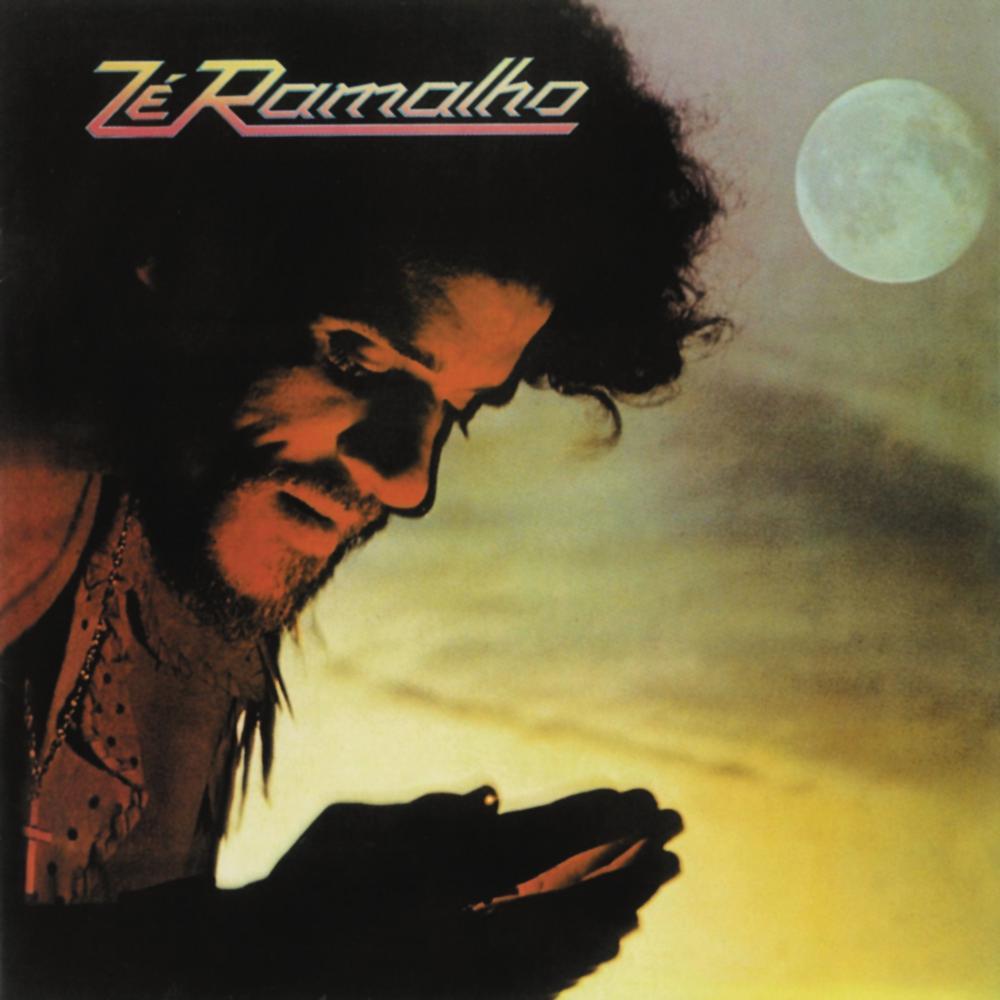
 View Artist