Song Meaning
Zé Ramalho's "Da Mãe" isn't just a song; it's a raw, visceral letter to the origin of being. It’s a return to the primal scene, a sonic umbilical cord stretching back to the first breath, the first embrace. The lyrics aren't simply about a mother; they're about *the* Mother, the archetypal figure of creation and protection. Ramalho conjures her as both nurturing and formidable: "Mulher de ferro derretida em fogo" (Iron woman melted in fire), a paradoxical image of strength forged in suffering. This isn't sentimental motherhood; it's a powerful, almost elemental force.
The song's core lies in the tension between vulnerability and resilience. The speaker recalls being enveloped in plasma, shielded and sheltered, when "tudo era de cristal" (everything was crystal). This evokes a state of pristine innocence, contrasted sharply with the mother's "pele metálica e macia" (metallic and soft skin) and "rígido olhar de procuras" (rigid look of searching). This suggests a life hardened by experience, a constant vigilance born from pain. There's a haunting sense of waiting, of a figure both statuesque and subtly eroding: "Estaticamente parada de pé/ Escorrega e espera-me" (Statically standing/ Slips and waits for me).
Ultimately, "Da Mãe" explores the complex, often contradictory nature of the maternal bond. It acknowledges the pain and sacrifice inherent in motherhood, the "Lava cuspida em dor e cor" (Lava spewed in pain and color), while also celebrating the enduring power of that connection. The closing lines, referencing the "Dunas e arestas do estômago/ Que a mim tão bem me cabiam" (Dunes and edges of the stomach/ That fit me so well), speak to a profound sense of belonging, a primal comfort found in the very source of one's being. It's a challenging, deeply personal exploration of origins, couched in Ramalho's signature poetic imagery.
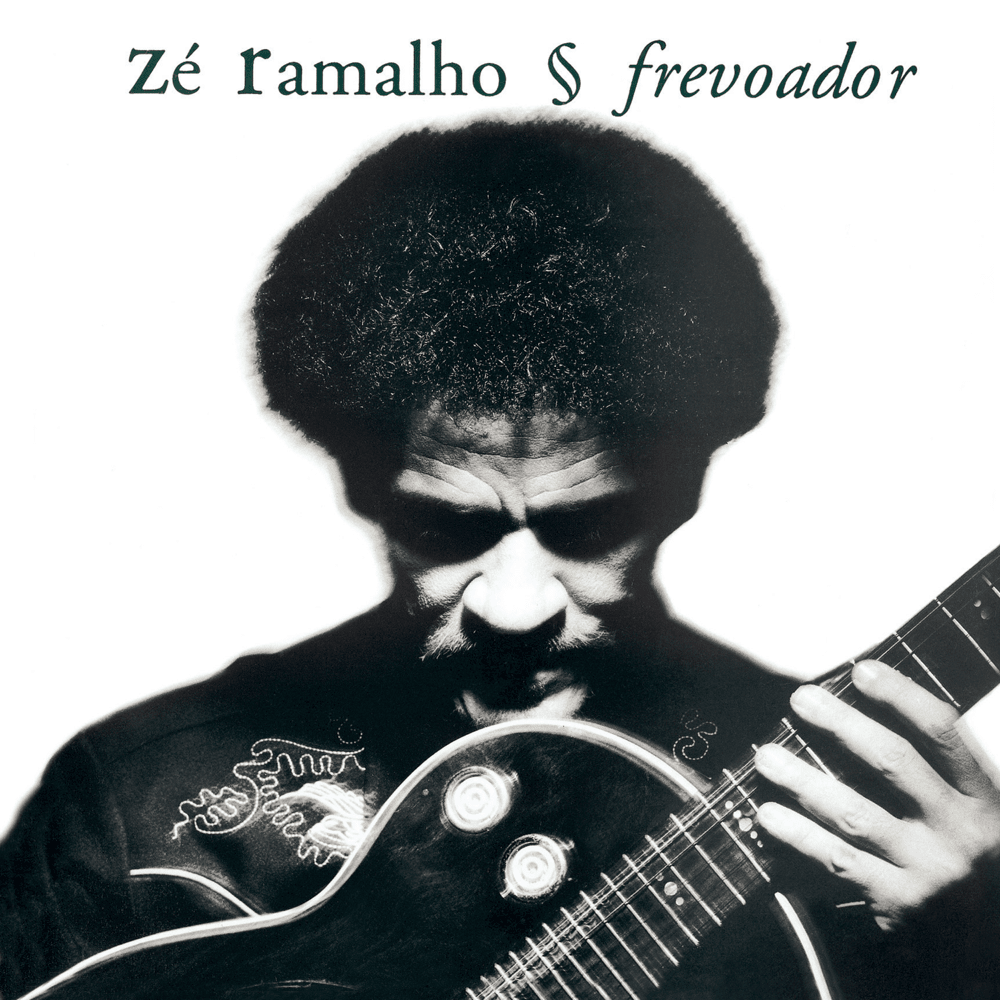
 View Artist