Song Meaning
Zé Ramalho's "A Noite Branca" isn't just a song; it's a vivid, compressed fable of ecstatic escape. The titular "white night" functions as a metaphor for an experience so intense it eclipses reality, pulling the narrator away from the familiar comfort—and perhaps constraint—of a lover's gaze. The simplicity of the lyrics belies a deeper exploration of altered states and the allure of the unknown. The opening invitation, "Deixa eu te contar/Como foi que aconteceu" (Let me tell you how it happened), positions the listener as a confidante, drawn into a story of transformative encounter. But what exactly *is* this "noite branca"?
The key lies in the lines describing a "tsunami de delírio e de amor" (tsunami of delirium and love) that hits at midnight. This isn't mere infatuation; it's a flood of sensation, a psychic surge that overwhelms the senses. It’s a powerful force, originating "de longe" (from afar), suggesting something external, perhaps cosmic, triggering this internal upheaval. The repeated chorus, "É a noite branca/Que me arranca/Dos olhos do meu amor" (It's the white night/That tears me/From the eyes of my love), underscores the disruptive nature of this experience. The narrator is literally *torn* away, suggesting a conflict between the grounding presence of love and the intoxicating pull of the "white night."
The song meaning of "A Noite Branca" circles around themes of transcendence and the intoxicating power of altered perception. While the lyrics never explicitly define the source of this "barato" (high), the imagery suggests a spiritual or psychedelic awakening. It's a journey into the self, facilitated by an external catalyst, that ultimately redefines the narrator's relationship to love and reality. The repetition in Zé Ramalho's song isn't just a structural element; it's a hypnotic mantra, pulling the listener deeper into the experience, mirroring the narrator's own surrender to the overwhelming force of the "noite branca."
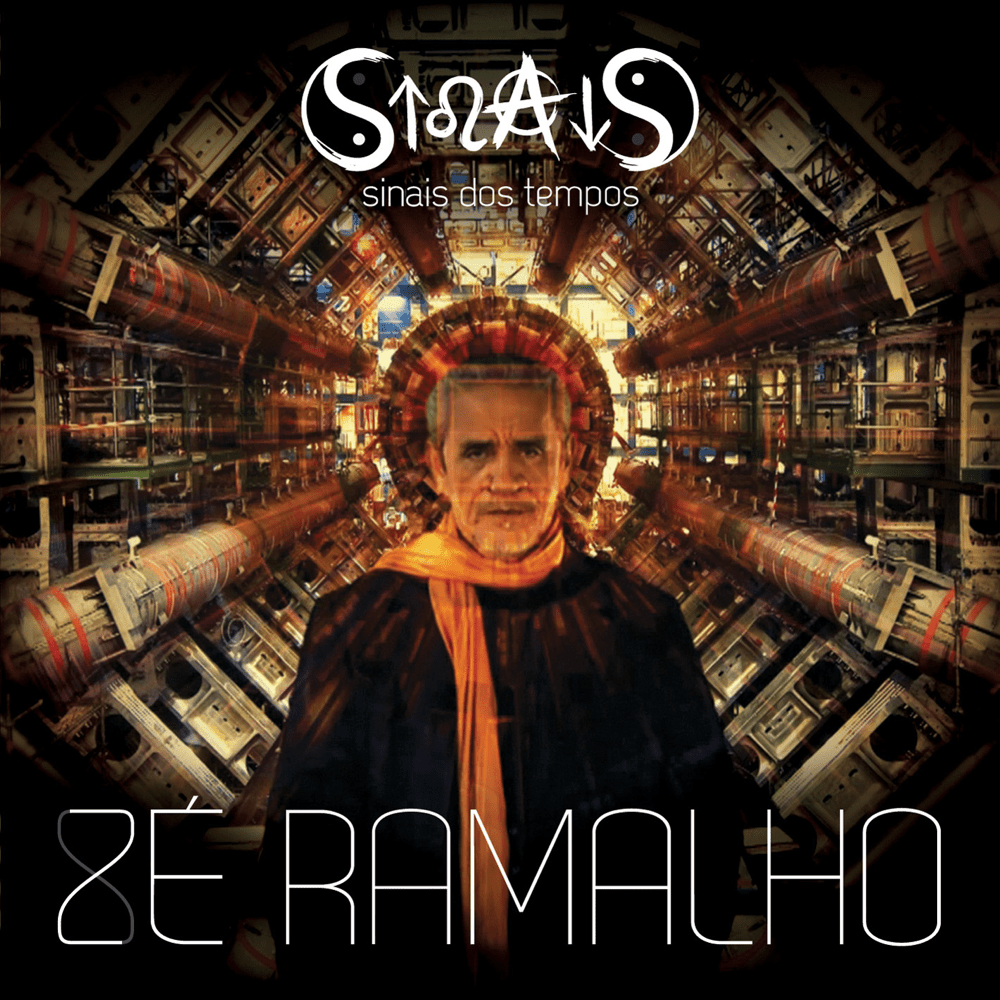
 View Artist