Song Meaning
The lyrics paint a poignant picture of transience, using natural cycles and human endeavors as metaphors for the fleeting nature of existence. The opening stanzas establish a pattern: the passage of time for grain, wine, thought, longing, and finally, humanity itself. Each element is presented as something that arrives and then disappears, captured by the recurring refrain, "Iată este, iată nu-i" – "Here it is, here it is not." This cyclical observation grounds the song in a sense of inevitable change.
The central tension arises from the narrator's profound desire to live, despite recognizing the impermanence of all things. The repeated lines, "Am avut o viaţă ca să / Ca tot nu mai vreau să mor" (I had a life to / Yet I still don't want to die), and variations like "Am avut o viaţă plină" (I had a full life) and "Am avut o viaţă lungă" (I had a long life), underscore this persistent will to exist. This isn't a lament of regret, but a powerful affirmation of life in the face of its inevitable end. The imagery of the mill grinding flour and bread rising "în cuptor" (in the oven) suggests ongoing creation and sustenance, even as time passes.
What truly elevates these lyrics is the subtle yet powerful contrast between the grand, almost cosmic scale of passing time and the deeply personal, visceral desire to cling to life. The "vremea omului" (time of man) is placed alongside "păzirea domnului" (guarding of the Lord), suggesting a divine order or fate, yet the individual voice cries out against the finality. The structure, with its repeated verses and the anchoring choruses, reinforces the feeling of time's relentless march, while the personal declarations offer a defiant counterpoint. The lyrics suggest that even when faced with the certainty of "Iată este, iată nu-i," the human spirit yearns for continuity.
Ultimately, the effectiveness of these lyrics lies in their ability to evoke a universal feeling of mortality through concrete, relatable imagery. The simple, almost folk-like structure and language make the profound theme of life's brevity accessible and emotionally resonant. The persistent refusal to accept death, even after acknowledging a full or long life, is what makes the narrator's plea so compelling. It’s a quiet but fierce assertion of the value of each moment, precisely because it will not last.
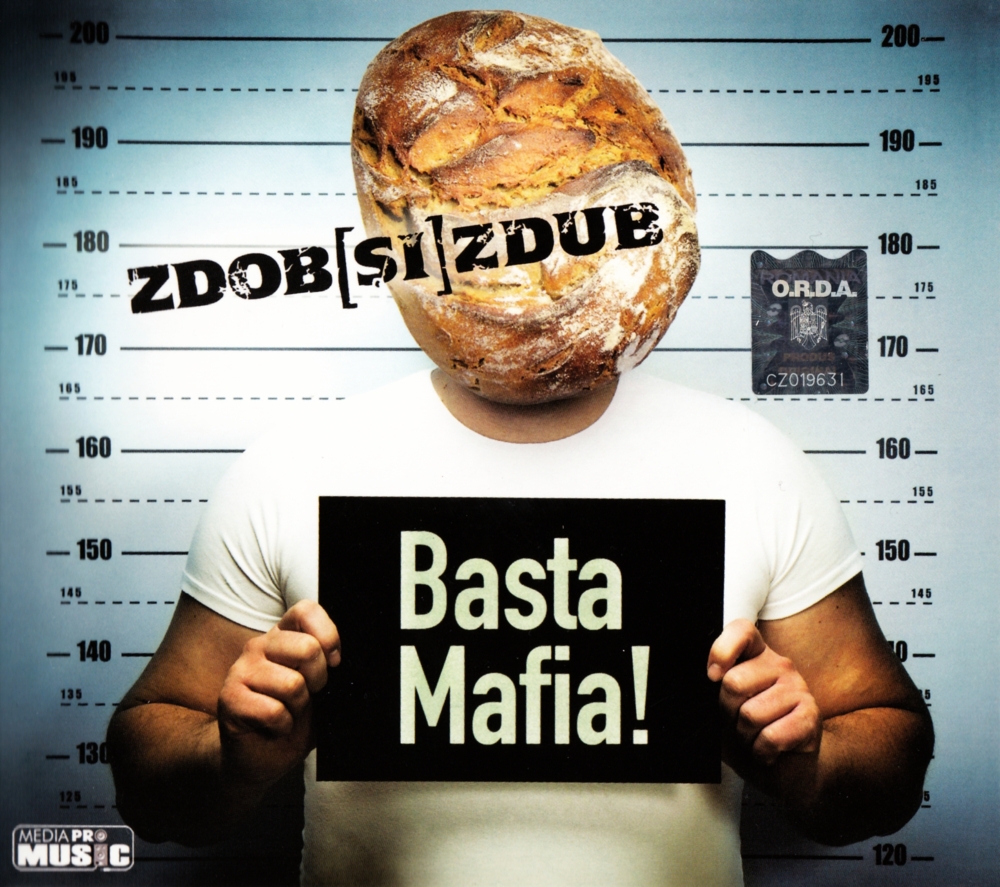
 View Artist