Song Meaning
The lyrics paint a vivid picture of spring's arrival, not just in the external world but as an internal, almost overwhelming force. The repetition of "Primavara vine" (Spring is coming) grounds the listener in this pervasive sense of renewal. It starts broadly, "in tara" (in the country), then narrows to the "sat" (village) and "casa" (house), before culminating in the personal "cap" (head), suggesting spring's influence seeps into every corner of existence, even one's thoughts.
The narrative shifts to active participation as the speaker ventures outside, climbing a "protap" (a wooden post or stake) to observe. The cuckoo's call in the orchard and the sun beating down create a sensory immersion in the season. This outward focus, however, is juxtaposed with the internal feeling of spring's arrival, as the sun "bate-n cap" (beats on the head), hinting at a more intense, perhaps even disorienting, effect than mere warmth.
The lyrics then transition to the communal and labor-intensive aspects of spring. "Scoate grebla din sarai" (take the rake from the shed) and "hai la munca" (let's go to work) highlight the practical demands of the season, driven by the promise of "o bucata de malai" (a piece of cornmeal/bread). This is quickly followed by a shift to celebration, "hai la joc!" (let's go dance!), with sparks flying from the fire and "vin gustos" (tasty wine), illustrating the duality of spring as both a time for toil and for revelry.
The final verse introduces a poignant emotional layer. The "vioara" (violin) weeps "inima" (in the heart) from morning till night, a melancholic undercurrent beneath the seasonal joy. The plea, "Iesi, draguta mea, afara" (Come out, my dear, outside), and the concluding line, "E vinovata primavara!" (Spring is to blame!), suggest that this intense emotional stirring, this blend of longing and perhaps even heartache, is directly attributed to the powerful, inescapable influence of spring.
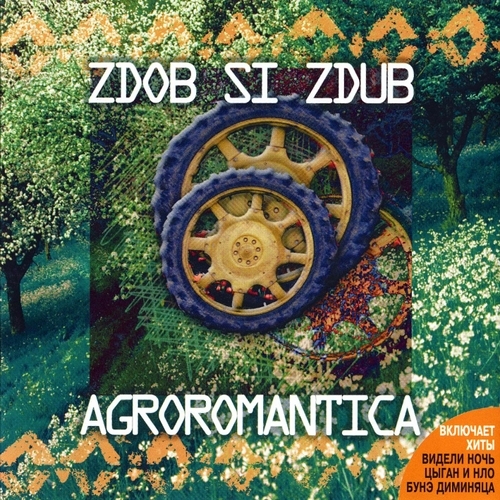
 View Artist