Song Meaning
The lyrics paint a vivid picture of rural life centered around the harvest and the communal meal. The opening lines establish a rhythmic, almost hypnotic, scene: the wind blows, the mill sings like a violin, and flour falls like snow. This imagery creates a sense of natural cycles and the bounty of the land, setting a tone that is both industrious and celebratory. The repetition of the wind and mill, sometimes singing, sometimes crying, suggests the dual nature of labor – its joy and its hardship.
The core of the song is the infectious "Mamaliga, maliga!" chorus, which translates to a call for a beloved dish, polenta, and a general invitation to joy and community. The narrator, "Misulica," is called to eat, and the promise of wine and cheese leads everyone to dance. This highlights the central role of food and shared celebration in bringing people together, transforming simple ingredients into a source of collective happiness and energetic revelry.
The lyrics cleverly use a riddle to connect the corn (papusoiul) to mamaliga, framing it as something born wrapped and growing towards the sky. This natural progression from seed to sustenance is mirrored in the song's structure, which builds from the imagery of the mill to the communal dance. The shift from the mill singing to crying, and the flour falling like snow, adds a layer of melancholy or perhaps just the quiet acceptance of the changing seasons, yet it doesn't dampen the ultimate spirit of togetherness.
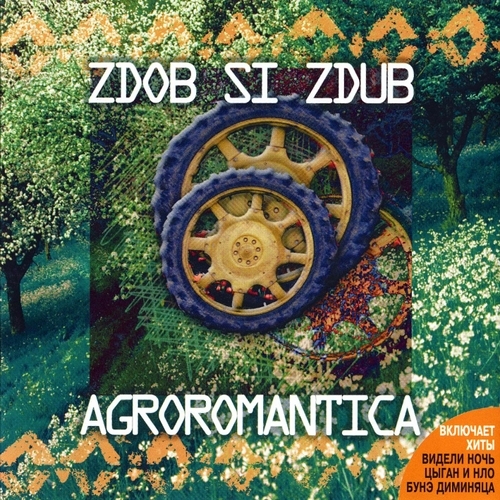
Ultimately, the song captures a feeling of simple, unadulterated joy rooted in the earth and shared experiences. The "Mamaligamania" isn't just about the food itself, but the entire cycle of growth, harvest, preparation, and communal celebration that it represents. It’s about the moments when life’s basic elements – wind, grain, food, drink – come together to create a powerful sense of belonging and spirited festivity, especially when accompanied by "Zdob si Zdub campania."
 View Artist