Song Meaning
This feels like a fever dream, a disorienting vision where spiritual or existential truths are revealed through disembodied voices. The narrator receives a "code" that can't be perceived by normal senses, suggesting a higher understanding beyond the physical world. The "mortal disguise" implies our everyday existence limits our perception of this deeper reality. It's a stark, almost clinical presentation of a profound, unsettling revelation.
The central tension lies in the allure and danger of this hidden knowledge. The "haunting pools" are described as "maze-like depths," hinting at complexity and the potential for getting lost. The warning is clear: to go "below the line," pulled by an irresistible "tide," means one "can't come out." This suggests a point of no return, a commitment to this deeper, perhaps perilous, understanding.
The most striking element is the cyclical, almost resigned declaration from the "tongues": "It was broken when we found it." This implies the "code" or the state of being it represents is inherently flawed or damaged, and this brokenness is not a new development but a pre-existing condition. The repetition of "You'll see it, but not with your eyes" reinforces the idea that this is a truth accessible only through a different kind of perception, one that transcends the limitations of the physical body.
What makes these lyrics hit hard is their stark, unadorned presentation of a profound existential mystery. There's no sentimentality, just a chilling description of receiving forbidden knowledge and the inescapable consequence of seeking it. The imagery of the "haunting pools" and the "maze-like depths" creates a palpable sense of dread, while the detached pronouncement about the "broken" code leaves the listener with a lingering sense of cosmic unease.
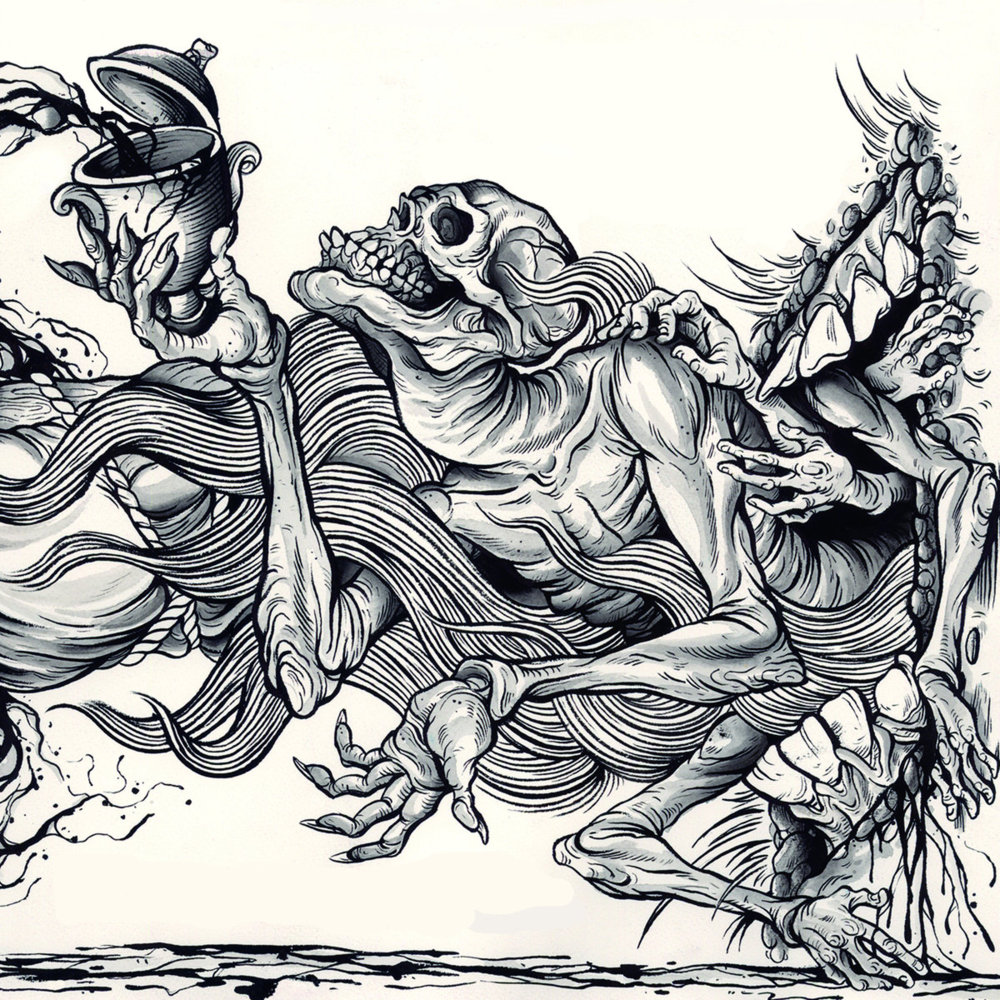
 View Artist