Song Meaning
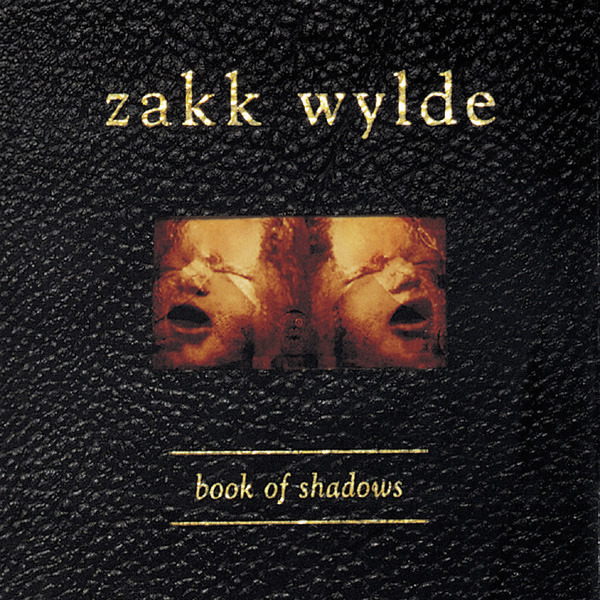
Zakk Wylde's "Too Numb To Cry" isn't just another power ballad; it's a stark, almost clinical dissection of emotional paralysis. Wylde, known for his guitar virtuosity and bludgeoning riffs, here explores the desolate landscape where pain becomes so profound it short-circuits the ability to even weep. The lyrics paint a portrait of someone trapped, observing a distant hope of happiness while mired in internal turmoil. The repeated line, "Turmoil has turned you inside," speaks to a deep, transformative suffering, one that has reshaped the individual's very core. This isn't just sadness; it's a fundamental alteration of the self. The phrase "pages of iracles" is particularly biting, suggesting a desperate, fruitless search for impossible solutions. It's a dark twist on the idea of miracles, highlighting their absence rather than their presence. The central question posed by the chorus, "When you're too numb to cry / And you're just left wondering why," cuts to the heart of the matter. It's the ultimate existential question born from extreme emotional fatigue. The numbness isn't a relief; it's a terrifying void, a state of suspended animation where the fundamental human experience of feeling is absent. The second verse offers a glimmer of agency, quickly extinguished. The line, "If you could, you surely would wave yourself goodbye," hints at a desire for escape, a rejection of the current state of being. Yet, the following line, "Gotta' hold on your sufferin' peace in which you don't wish to buy," suggests a forced acceptance, a resignation to a painful status quo. It's a twisted kind of peace, one born of exhaustion rather than contentment. The outro, a simple repetition of "Why?", amplifies the song's core theme. It is an open-ended question mark hanging over the entire experience, a raw, unanswered plea echoing the bewilderment of emotional desensitization. The song meaning, therefore, resides in the unsettling space between pain and the absence of feeling, a space Wylde captures with surprising emotional acuity.
 View Artist