Song Meaning
The lyrics paint a picture of someone trapped in a self-imposed cycle of limitation and fear. The opening lines establish a rigid pattern: "You go only where you know," "You stay only where you play." This suggests a resistance to new experiences, a comfort zone that has become a cage. The repetition emphasizes the inescapable nature of this behavior, highlighting a deep-seated inertia that prevents growth or change. It’s a stark depiction of stagnation, where the known, however small, is prioritized over the potential of the unknown.
The core tension arises from the contrast between this ingrained habit of self-containment and the repeated, urgent plea to "Let, let love in." The narrator appears to be addressing someone, or perhaps an aspect of themselves, who is actively shutting out connection and affection. The phrases "Don't give in" are a desperate counterpoint to the invitation of love, suggesting that the act of staying within familiar boundaries feels like a surrender to a more vulnerable, open state. This creates a powerful internal conflict between the safety of isolation and the potential fulfillment of love.
The craft here is deceptively simple, relying heavily on parallel structure and direct, almost mantra-like pronouncements. The "You see only what you believe" and "You fear ev'rything you hear" lines mirror the earlier statements about movement and staying, extending the theme of self-fulfilling prophecies into perception and belief. This linguistic mirroring reinforces the idea that the individual's internal world is directly shaping their external reality, creating a feedback loop of fear and limited vision. The stark repetition of "Don't give in" amplifies the urgency, making the call to "Let, let love in" feel like a crucial, potentially life-altering choice.
Ultimately, the effectiveness of these lyrics lies in their unflinching portrayal of how fear and habit can build invisible walls. The simple, declarative sentences and the insistent refrain create a sense of both confinement and a desperate yearning for release. It’s the raw, unadorned plea against the backdrop of self-imposed restriction that resonates, highlighting the difficult, often unconscious battle to open oneself up to the possibility of love and connection.
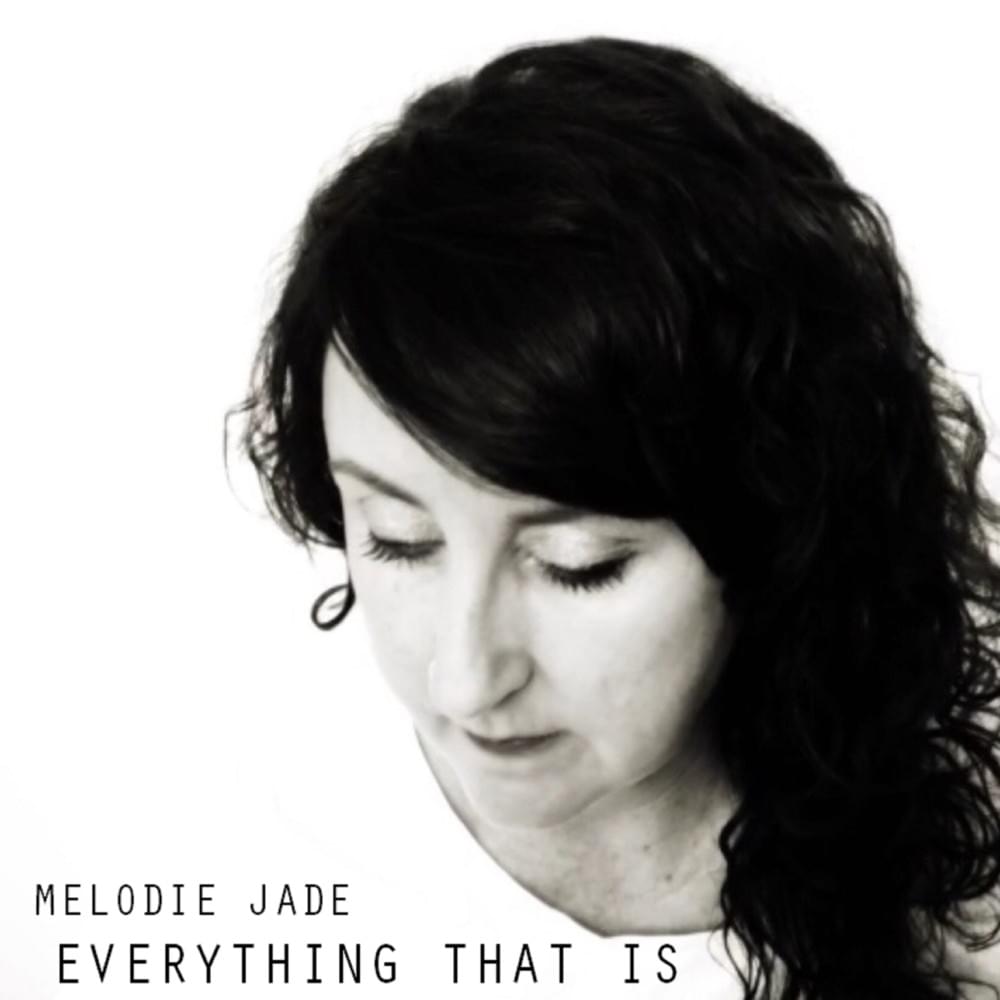
 View Artist