Song Meaning
The lyrics paint a picture of a narrator caught in a cycle of self-sabotage and fleeting pleasure, particularly in relationships. There's a clear sense of impending doom, as the narrator anticipates pushing away a potential partner, admitting, "Imma push away her love and never call." This self-awareness of destructive tendencies clashes with a desire for connection, creating an immediate emotional tension. The repeated phrase "And that's on God" acts as a solemn, almost fatalistic, affirmation of these destructive patterns and the narrator's current state of mind, suggesting a deep-seated resignation.
The central conflict appears to be between the narrator's desire for a "rockstar life" and the potential for genuine connection. While acknowledging the partner's desire for something more substantial ("wanna man up off the top"), the narrator seems resigned to a path of isolation and hedonism, admitting, "I might be the one to break her heart." This internal battle is further complicated by a sense of spiritual or emotional emptiness, as the narrator feels "way too low for some guidance" and seeks solace in "darker ideas" and the allure of a "ride." The repetition of "God" at the end of the first verse amplifies this feeling of being lost and seeking divine intervention or perhaps acknowledging a higher power in their chaotic existence.
The lyrics employ striking imagery to convey the narrator's detached and self-destructive mindset. The contrast between seeking "the one" and immediately predicting the act of "push[ing] away her love" highlights this internal contradiction. The imagery of being "on her toes cause she see I leveled up" juxtaposed with the narrator's own admission that "the money ain't enough" reveals a superficial success that fails to bring fulfillment. The "red room, black shades, high as fuck" scene, where "connections cut" and they "don't wake up to the sun," powerfully illustrates a deliberate withdrawal from reality and genuine intimacy, opting instead for an endless, sunless party.
Ultimately, the effectiveness of these lyrics lies in their raw, unflinching portrayal of self-destructive behavior and the emotional void it leaves. The narrator's candid admission of fault, combined with the fatalistic "And that's on God," creates a compelling sense of a person trapped by their own choices. The stark imagery and the almost resigned tone make the listener feel the weight of this internal struggle, even as the narrator seems to embrace the destructive path, suggesting a profound, albeit painful, acceptance of their current reality.
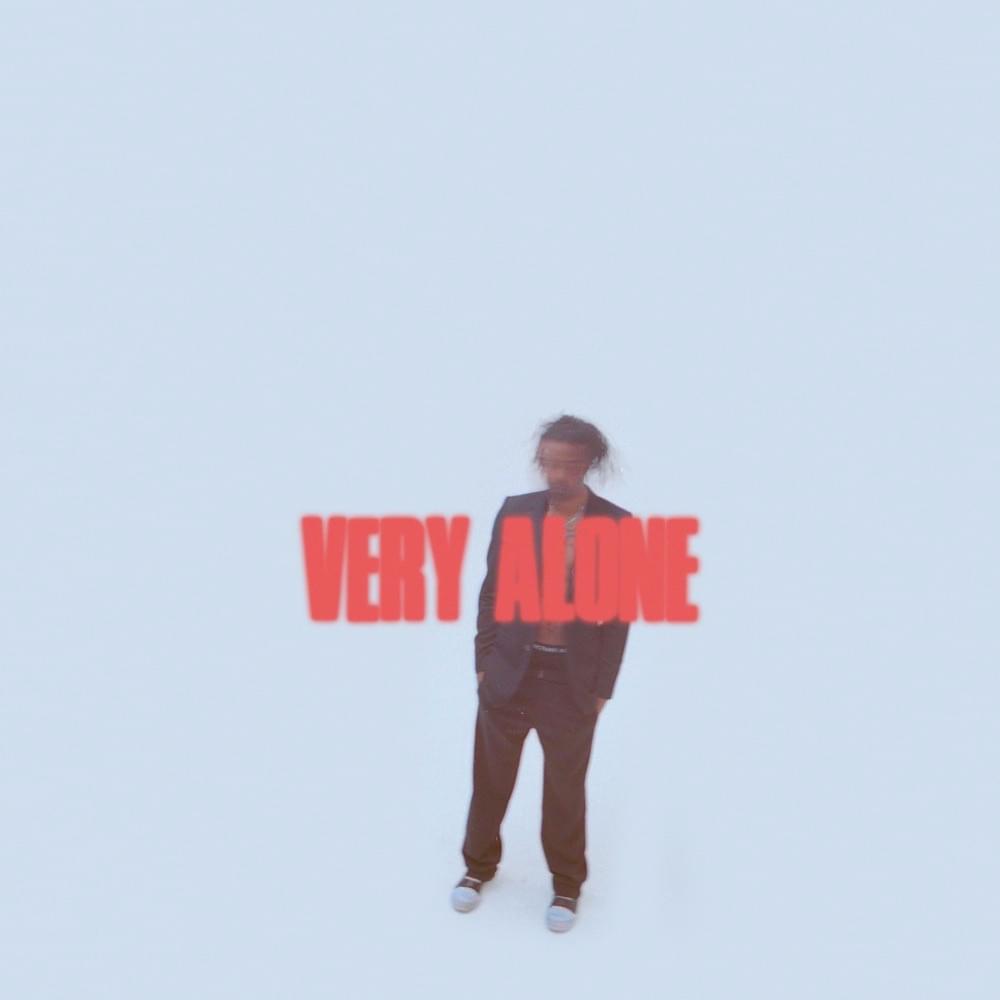
 View Artist