Song Meaning
The lyrics paint a vivid picture of lingering sorrow and memory, set against a backdrop of fading light and mysterious natural elements. The opening lines, with "rotted petals" and a "dusk wing," establish a tone of decay and transience, suggesting a past that can no longer be touched. This sense of loss is amplified by the imagery of a "spiral" being etched and a "vacant shell" being embraced, hinting at an internal struggle to hold onto what is gone. The recurring motif of "mysterious" wind and waves in different colors (Viridian, Indigo) adds a dreamlike, almost surreal quality to the emotional landscape.
The central tension lies in the narrator's inability to forget past pain and embrace a new reality. The chorus repeatedly states, "I won't forget the lie of sadness," and "I won't forget the beautiful lie," indicating a conscious decision to hold onto these difficult memories. The phrase "the time of the evening glow is no more" directly contrasts the present with a lost, beautiful past. Yet, despite this pain, the narrator clings to "moon fragments" and "endless lover," refusing to let go of the source of their suffering, which is described as an "unhealed wound."
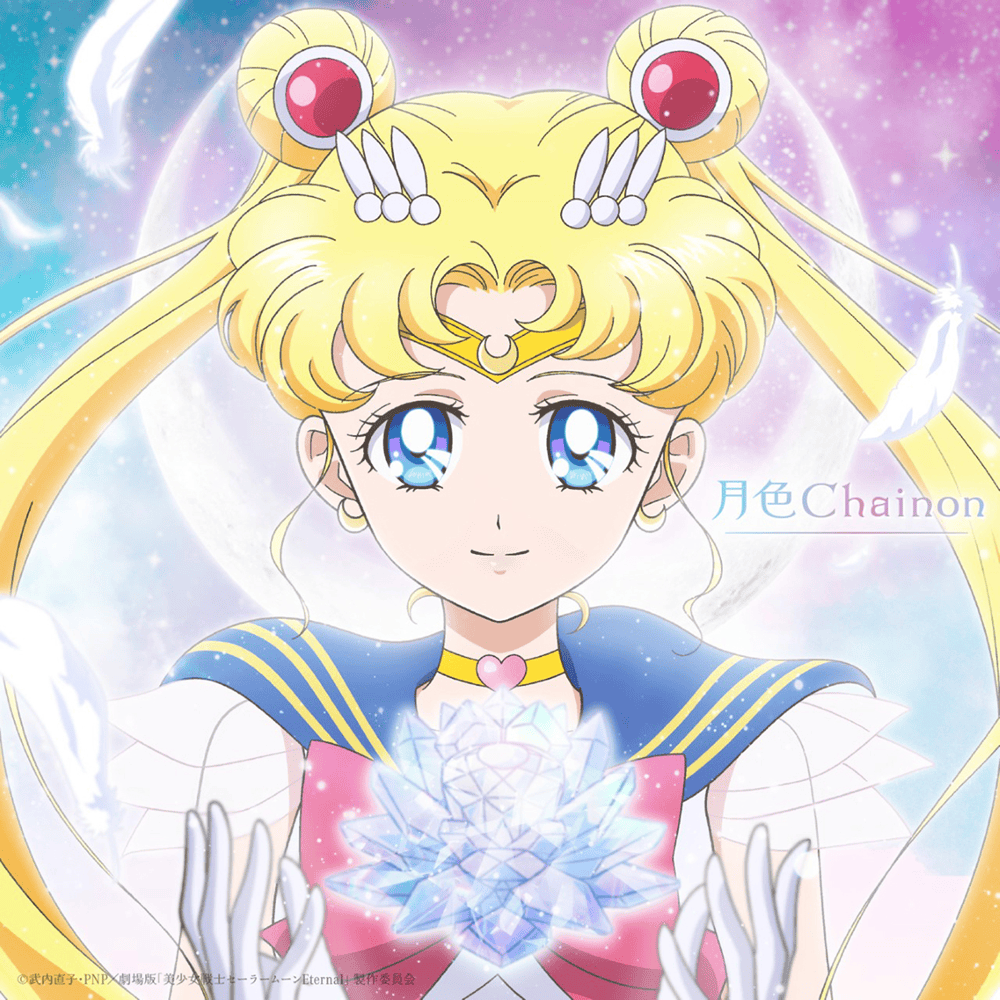
A striking element is the juxtaposition of delicate, ephemeral imagery with harsh, enduring pain. "Moon fragments" and "grains of sand" are collected, suggesting attempts to grasp at remnants of the past, but these are contrasted with "unhealed wounds" and being "tormented." The repetition of "that story aurore" and "that story lumiere" frames these painful memories as a narrative that continues to define the narrator, illuminated by a "moon color Chainon" – a chain of love or sorrow colored by the moon.
This lyrical construction is effective because it grounds abstract emotional pain in concrete, evocative imagery. The contrast between the gentle "moon fragments" and the persistent "unhealed wound" creates a powerful sense of enduring heartache. The narrator's insistence on remembering "lies" suggests a complex relationship with truth and memory, where even painful recollections are cherished as a connection to a lost love or time. The final lines, "The moon's color is Chainon," solidify this connection, implying that the very essence of their current existence is colored by this unresolved emotional state.
 View Artist