Song Meaning
Turning 20 hits different, and these lyrics capture that jarring transition from youthful recklessness to the dawning realization of adult responsibilities. The narrator grapples with the unexpected difficulty of becoming an adult, admitting, "I didn't know becoming an adult was this hard." This sentiment is immediately followed by a declaration of self-acceptance: "But I'm fine being me." The weight of life's risks and the necessity of gaining experience are acknowledged, alongside a clear break from past vices like cocaine. Even simple pleasures, like beer, remain an acquired taste, highlighting a lingering sense of youthful unfamiliarity with adult life.
The core tension arises from the clash between past mistakes and future aspirations. The narrator faces a mountain of bills and the mundane reality of taxes, a stark contrast to the dreams of becoming a "Clasics" or living in London or Russia. There's a rejection of waiting for a "Messiah," emphasizing self-reliance. The ambition to become a successful rapper, earning enough to buy multiple pairs of Amiri pants, is juxtaposed with the humility of not wanting to be a "リーマン" (salaryman) and keeping one's head held high, even while wearing tight pants. The first tattoo, "Revenge," signifies a past driven by a need to prove something, aiming for the "summit" rather than the "foothills."
The most striking craft element is the direct address to the mother and the theme of repayment. The narrator admits to causing his mother to cry by not finishing high school and wasting money given to him on drugs. The realization of his parents' "greatness and unconditional love" hits hard after moving to Tokyo. The act of earning money and giving it back to his mother is presented as a defining moment of adulthood: "Is this what becoming an adult means?" This cycle of debt and repayment, of past transgressions and present atonement, forms the emotional backbone of the track. The shift from "worn-out" shoes to "brand new white Forces" visually represents this transformation and newfound stability.
Ultimately, these lyrics resonate because they ground grand ambitions in tangible, relatable struggles and acts of contrition. The narrator isn't just dreaming big; he's actively working to rectify past wrongs, particularly towards his mother. The acknowledgment of mistakes, the desire to learn from "counter-examples," and the hope to still be with his friends in ten years paint a picture of someone earnestly navigating the complexities of growing up. It's this blend of raw honesty about past failures and a determined, albeit still uncertain, step towards a better future that makes the narrative compelling.
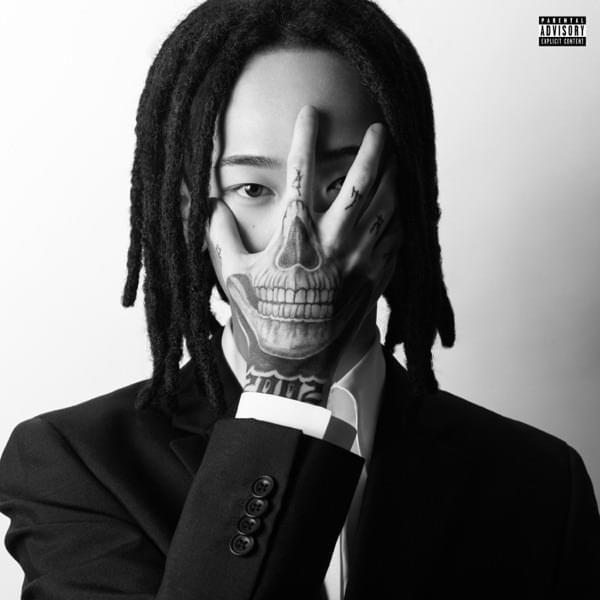
 View Artist