Song Meaning
The lyrics paint a stark contrast between a past idealized love and a present suffocating reality. The initial imagery of the sun as a "halo" and the sensory details of "clouds" and "waves" suggest a moment of profound peace and perhaps spiritual connection, directly tied to a promise of freedom. This idyllic memory is immediately undercut by the narrator's internal state: "I was a mess / I stayed calm," hinting at a hidden turmoil beneath a composed surface, even in that supposedly perfect past.
The central tension arises from the crushing weight of a current relationship, described with visceral violence: "his hands 'round my neck." This physical threat is mirrored by the verbal abuse the narrator endures, being labeled "whore," "liar," "mute," and "nothing." The repetition of these demeaning terms, especially "mute" and "nothing," emphasizes the silencing and dehumanization experienced, creating a suffocating atmosphere that directly opposes the freedom promised in the past.
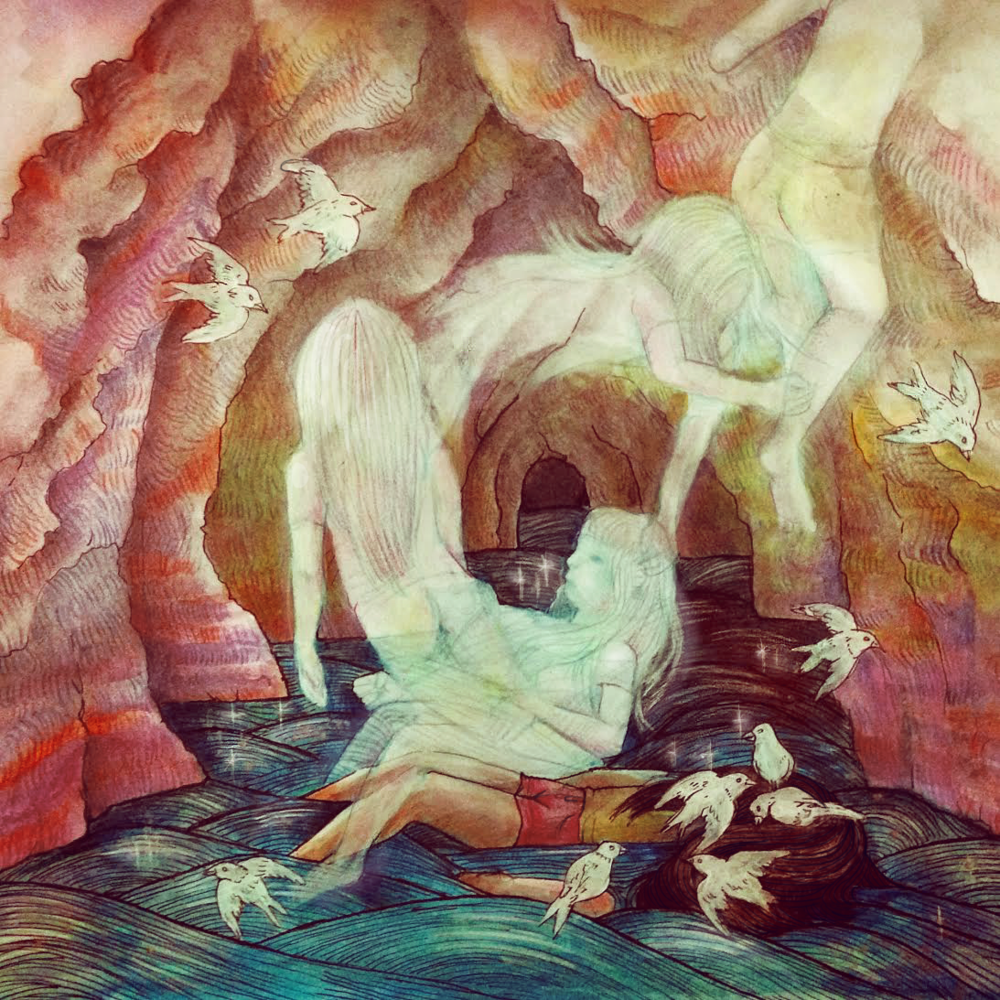
The most striking craft element is the repeated invocation of the sea as an escape. "I come to the sea to think / I come to the sea to breathe" becomes a desperate mantra, a sanctuary sought from the suffocating present. This desire for the sea is so potent that even when "bloody, bruised and far away" in the aftermath of abuse, the narrator is "still happy" and "still dreaming of the sea." The sea represents not just a place, but a state of being—freedom, breath, and selfhood—that is perpetually yearned for, even when physically absent.
This lyrical construction is effective because it grounds abstract emotional pain in concrete, sensory details and sharp contrasts. The juxtaposition of the haloed sun with hands around the neck, and the breath of the sea against the feeling of choking, creates a powerful emotional resonance. The narrator's persistent dreaming of the sea, despite the brutal reality, highlights a resilient core that refuses to be extinguished, making the yearning for escape feel both tragic and deeply human.
 View Artist