Song Meaning
The lyrics present a series of direct, almost interrogative questions, creating an immediate sense of urgency and introspection. The narrator probes a subject, asking about their fears, desires, and emotional state. This relentless questioning establishes a tone of intense curiosity, perhaps even desperation, to understand someone else's inner turmoil. The repeated queries about what is being "running from" and what is being "crave[d]" suggest a deep-seated unrest in the person being addressed.
The central tension lies in the contrast between the narrator's persistent questioning and the fragmented, almost evasive answers provided. The refrain's insistent questions are met with internal responses like "running from my own shadow" and "trouble, trouble, trouble." This suggests a struggle with self-identity and external pressures. The repeated "hustle, hustle, hustle" implies a constant state of motion or effort, possibly as a coping mechanism or a symptom of the very thing the subject is running from.
The most striking aspect of the craft is the call-and-response structure, which feels less like a dialogue and more like an interrogation or a desperate plea for connection. The repetition of "hustle" and "trouble" creates a rhythmic insistence, mirroring the cyclical nature of the subject's perceived struggles. The phrase "I miss the sound of you" stands out as a particularly poignant, albeit brief, admission, hinting at a lost connection or a past intimacy that fuels the narrator's current inquiry.
Ultimately, these lyrics resonate because they capture the raw, often uncomfortable, process of trying to understand someone who is clearly in distress. The directness of the questions, coupled with the vague yet loaded responses, mirrors real-life situations where communication breaks down, leaving one party grasping for answers. The emphasis on internal states – running, missing, craving, feeling – grounds the abstract questions in tangible emotional experiences, making the plea for understanding feel deeply human.
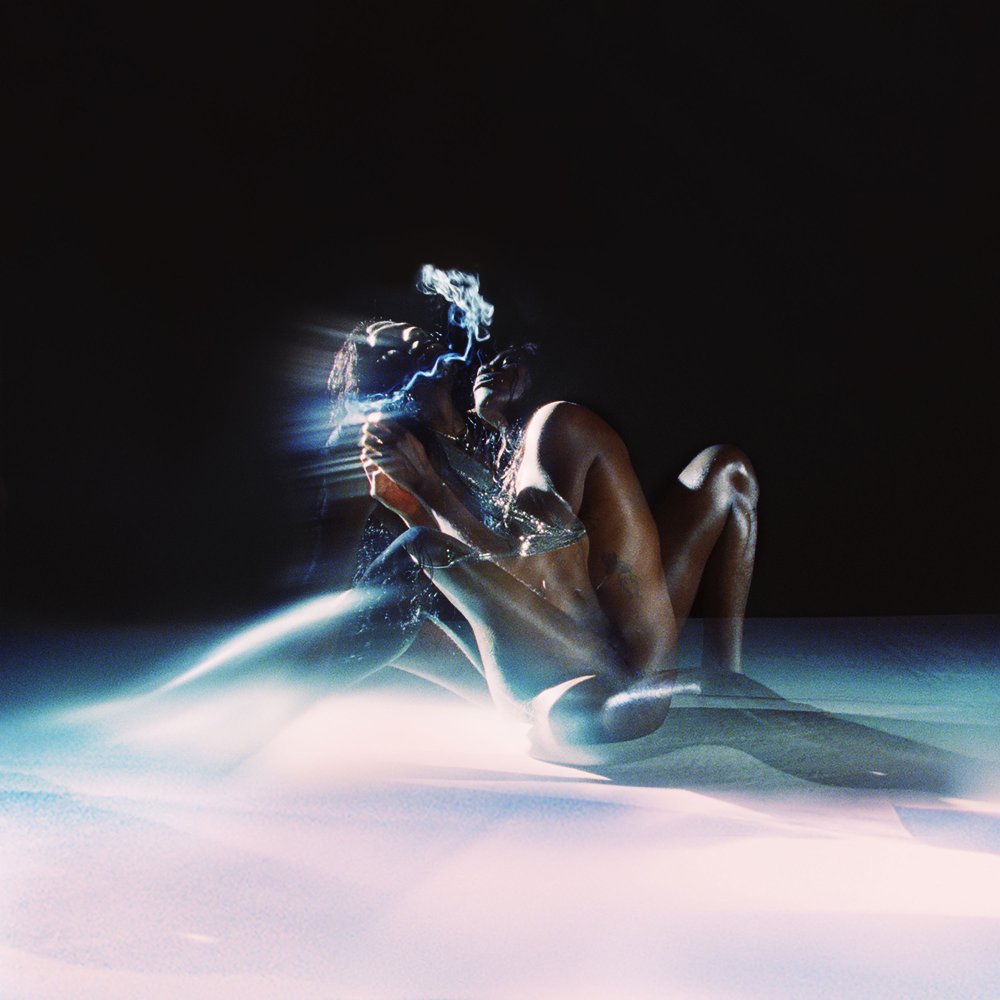
 View Artist