Song Meaning
The narrator declares a profound, almost defiant sense of good fortune. They acknowledge their luck, stating "J'ai de la veine" (I'm lucky) and "C'est une aubaine" (It's a windfall), even admitting it's "Bien malgré moi" (Despite myself). This isn't a humblebrag; it's a bold assertion of inherent luck, a feeling so strong they urge detractors to "Touchons du bois !" (Let's knock on wood!).
The core tension lies in the narrator's almost insolent happiness versus the implied skepticism of others. While some might dismiss this luck as fleeting – thinking "Ça ne dure pas" (It doesn't last) – the narrator counters with an unwavering belief in "la chance qui m'a souri" (the luck that smiled on me) being "infinie" (infinite). This creates a dynamic where their joy is both a personal experience and a challenge to external doubt.
The lyrics employ a delightful, almost childlike repetition of "Je vais" (I go), emphasizing a carefree progression through life. This movement is explicitly linked to joy: "Car ils s'enfuient quand je ris" (Because they flee when I laugh), suggesting that their positive outlook actively repels negativity. The simple, declarative statements about love – "Puisque je l'aime / Et puisqu'elle m'aime aussi !" (Because I love her / And because she loves me too!) – solidify this sense of blessedness.
Ultimately, the effectiveness of these lyrics stems from their unadulterated embrace of good fortune. The narrator isn't analyzing their luck; they're reveling in it, presenting a persona that is "un verni / Dans la vie" (a lucky charm in life). This unwavering positivity, coupled with the direct, almost exclamatory language, creates an infectious sense of buoyant optimism.
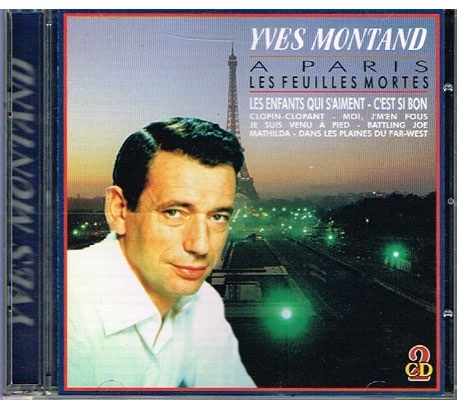
 View Artist