Song Meaning
Gilles Vigneault’s "Barati, baratin" isn't just a children's ditty; it’s a deceptively simple, psychologically astute observation on self-deception and the human tendency to inflate one's importance. Each verse introduces a character—Monsieur de la Misaine, Monsieur de Carapate, Monsieur de la Parlure, and others—each embodying a particular brand of puffed-up ego. They claim grand titles: captain, acrobat, storyteller, lion tamer, stone cutter. Yet, their reality is consistently deflated by mundane details: a toy boat in a stream, a pratfall, a homebody exposed by his wife, fear of a rat, and bruised fingers from cracking nuts. The recurring refrain, "Barati, baratin," acts as a mocking chorus, a playful jab at the gap between aspiration and reality.
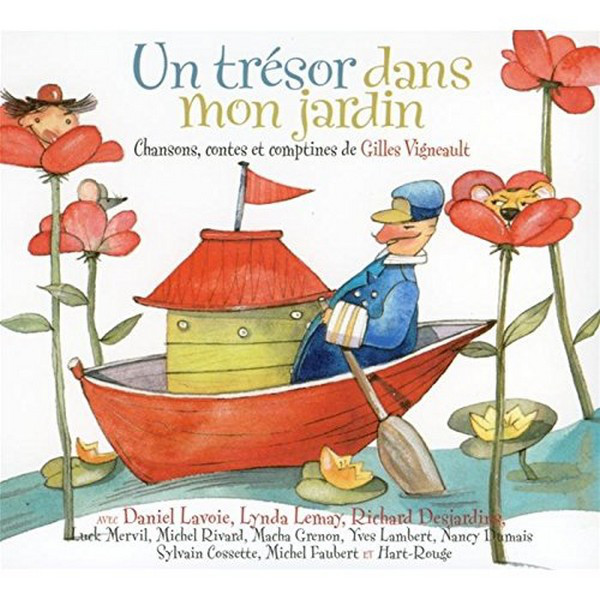
The beauty of Vigneault's construction lies in its cyclical nature. Each verse follows the same pattern: grand claim, followed by a humorous, humbling revelation, punctuated by the taunting refrain. This repetition reinforces the universality of the song's message. It’s not just about these specific characters; it’s about the inherent human desire to present an idealized version of oneself to the world, a desire that often clashes with the messy, imperfect truth. The "treasure in the garden" refrain suggests that true worth isn't found in grand pronouncements, but in the simple, everyday realities – the 'caillou' (pebble) in one's garden.
Beneath the surface charm, “Barati, baratin” hints at deeper psychological undercurrents. The song subtly touches on themes of insecurity, the need for validation, and the potential for self-delusion. These men aren't necessarily malicious; they're simply trying to carve out a sense of significance in their lives. The playful tone allows Vigneault to deliver a gently critical message, inviting listeners to reflect on their own tendencies toward self-aggrandizement without resorting to harsh judgment. The song suggests that perhaps a little self-awareness and a healthy dose of humor are the best antidotes to the inflated ego.
 View Artist