Song Meaning
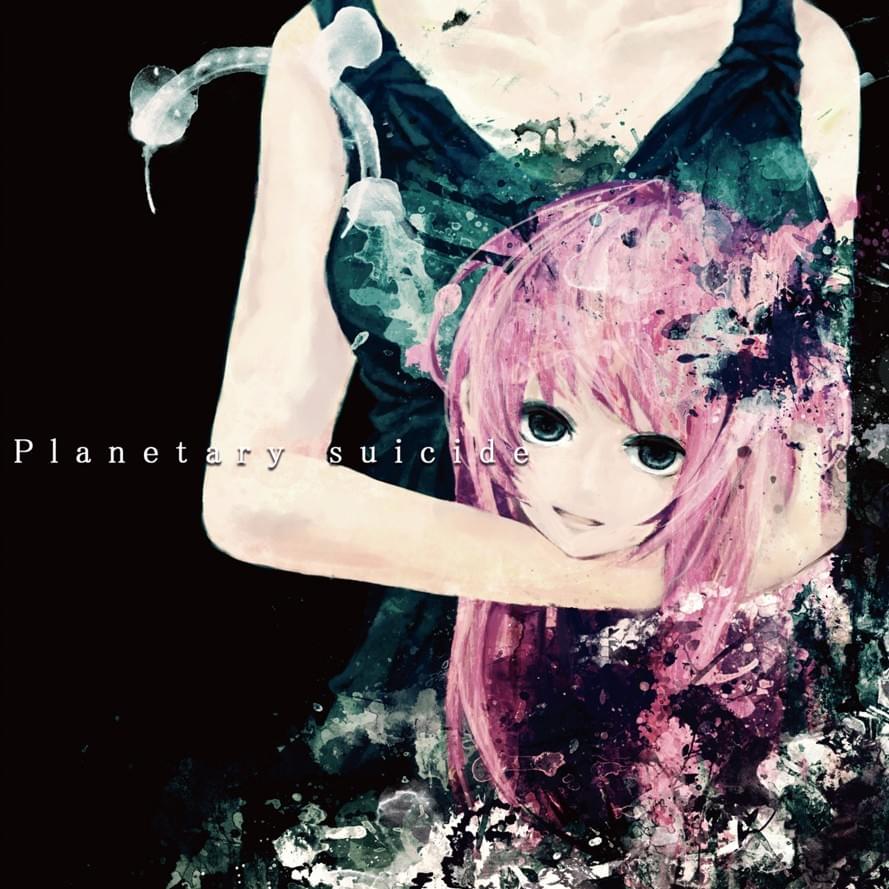
The lyrics paint a picture of someone grappling with past transgressions, described as "okashi tsudzuketa tsumi wo" (accumulated sins). There's a sense of being trapped, with a "futa tsuka katadora reta kokoro" (a heart molded by two faces) still lingering. The narrator seems to acknowledge their actions, even finding a dark amusement in scattering "fujunbutsu" (impurities) after attempting something, a cycle of disruption and a bitter laugh.
The core tension lies in the desire for an end to this cyclical suffering, the "rin'ne" (reincarnation or cycle) that the narrator wishes to conclude. The repeated phrase "Shizuka ni shizuka ni shizuka ni" (quietly, quietly, quietly) underscores this yearning for peace and resolution. There's a plea for everything – life, heart, and soul – to be "douka sa rete" (dissolved or melted away), suggesting a wish for oblivion or a complete release from the burden of existence and past deeds.
A striking image is the narrator crawling on the ground, "Haizuri mawaru dake" (just crawling around in the ashes), unable to find anything meaningful in past words or foolishness. This feeling of futility contrasts sharply with the hope that struggling might change something, a hope that feels like dancing in the palm of gods. The lyrics suggest a profound weariness with the present and a desperate, almost passive, wish for the cycle to simply cease.
This piece resonates through its raw depiction of regret and the overwhelming desire for an escape from a self-perpetuated cycle of pain. The quiet desperation, juxtaposed with the chaotic imagery of scattering impurities and crawling through ashes, creates a powerful emotional landscape. It’s the feeling of being stuck, wishing for an end that feels both impossible and desperately sought after, that makes these lyrics hit so hard.