Song Meaning
The lyrics paint a vivid picture of a quiet afternoon, where the sight of laundry swaying outside the window and the imagined sound of a mother's voice create a pang of nostalgia, making the narrator's chest feel tight. This gentle scene quickly pivots to a more poignant memory: chasing after a father's back under a shower of cherry blossom petals, a moment that seems to encapsulate a formative past.
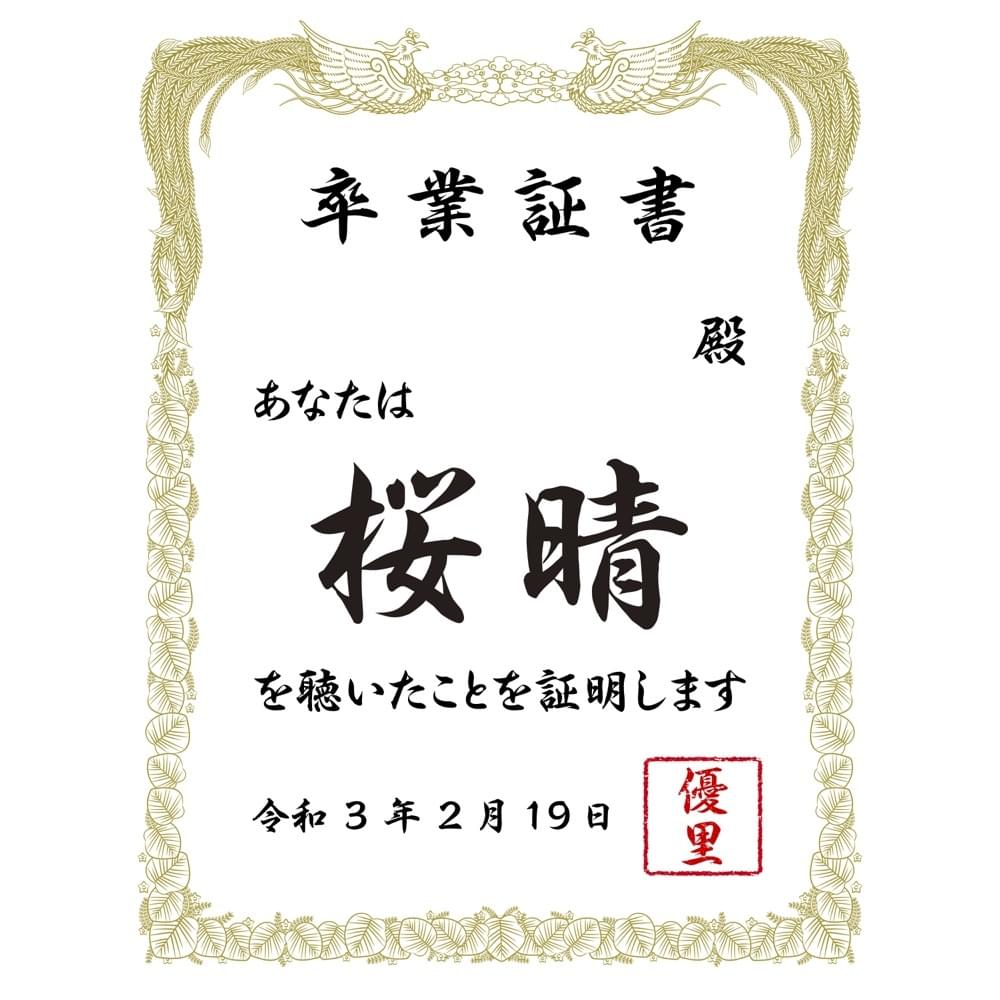
The core tension arises from the narrator's inability to smile properly, despite not feeling overtly sad, during what is described as "sakurabare" – a clear, cherry-blossom-filled sky. This emotional dissonance is directly linked to the "shadows of father and mother" that surface, suggesting a deep well of unspoken feelings and perhaps a sense of loss or longing associated with these parental figures and the past they represent. The "sakurabare" itself becomes a powerful, almost paradoxical force, pushing the narrator forward while simultaneously bringing tears to their eyes.
What's particularly striking is the recurring motif of "sakurabare" acting as a catalyst for forward movement, even when confronted with harsh words. The lyrics suggest that the memory of being raised and supported, coupled with this specific atmospheric backdrop, provides the strength to move past "heartless voices." This creates a powerful contrast between external negativity and internal resilience, fueled by cherished memories.
Ultimately, the effectiveness of these lyrics lies in their ability to capture a complex emotional state: the bittersweet ache of memory, the quiet strength drawn from parental love, and the gentle push towards the future. The "sakurabare" isn't just a setting; it's an emotional anchor, a reminder of roots that allow the narrator to step forward, even if it means a tearful goodbye or a simple "see you later."
 View Artist