Song Meaning
The lyrics capture a tense back-and-forth, a cycle of indecision and lingering attachment. The narrator grapples with a past connection, repeatedly posing questions like "Are we or won't we?" and "Should we or shouldn't we?" This uncertainty creates a palpable sense of anxiety, as the narrator feels their thoughts are "taking over my head again." The core of the conflict seems to be the narrator's struggle to move on, even as they acknowledge the emptiness of the other person.
The dominant emotional tension arises from the narrator's desperate need for closure versus the other person's apparent emotional unavailability. The repeated use of "Empty" to describe the other person, and the things they once possessed, highlights a profound lack of substance or feeling. The narrator is left "asking permission to keep it in your hands" and "asking permission to pretend / That we've moved on," revealing a painful dependence on the other's validation, even when that other person is emotionally vacant.
A striking element of the craft is the inversion of agency. The narrator, who is clearly hurting and seeking resolution, finds themselves in a position of needing to ask for "permission" – permission to hold onto memories, permission to pretend they've moved on. This is juxtaposed with the other person's perceived emptiness, suggesting a power imbalance where the one with less emotional investment dictates the terms of the narrator's healing. The lyrics also employ a circular structure, with questions and refrains returning, mirroring the narrator's inability to escape the loop of their thoughts.
This lyrical construction is effective because it grounds the abstract pain of unrequited or unresolved feelings in concrete, relatable actions and questions. The vulnerability of asking for "permission" to simply move on is a powerful, almost heartbreaking, image. It’s this specific, almost transactional framing of emotional recovery that makes the narrator's predicament so resonant, highlighting the difficulty of severing ties when one person still holds a perceived power over the other's emotional state.
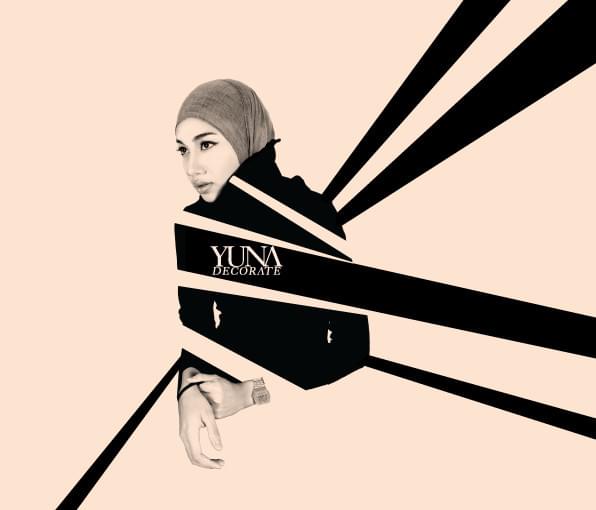
 View Artist