Song Meaning
The narrator is caught in a relationship that's veering off course, desperately wanting to salvage it but plagued by insecurity. The opening lines express a clear desire to stay, a plea against a sudden, negative shift in direction. There's an immediate tension between wanting deep affection and questioning the partner's true feelings: "But do you really want me babe?" This uncertainty colors the narrator's willingness to adapt, offering to "change / Whatever makes you happy," a statement that hints at a potential loss of self in the effort to please.
The core conflict emerges from the narrator's fear of being replaced or betrayed. The repeated refrain, "I don't want to take / That is yours to give away / When you're out I see you around / If you're calling another name," is a powerful expression of this anxiety. It suggests a possessiveness over the partner's attention and affection, a dread of the partner bestowing that intimacy on someone else. The narrator doesn't want to take what isn't freely given, but the implication is that the partner's actions are making it feel like something is being taken or lost.
A striking element is the narrator's oscillation between vulnerability and a forced composure. Phrases like "Yeah, it's cool" and "But it's cool" are deployed repeatedly, attempting to downplay the emotional turmoil. Yet, this coolness is undermined by the raw plea for affection and the admission of being "Made a fool." The lyrics suggest a struggle to maintain dignity while grappling with deep-seated doubt and the potential for heartbreak, ultimately concluding that even the difficulty is "enough / To make it all worth while," a testament to the depth of their feelings despite the pain.
This writing is effective because it captures the messy, anxious reality of modern romance, where insecurity can coexist with profound love. The direct, almost conversational language, punctuated by moments of stark vulnerability, makes the narrator's internal struggle feel immediate and relatable. The repetition of key phrases amplifies the obsessive nature of their worry, drawing the listener into the emotional vortex of a relationship on shaky ground.
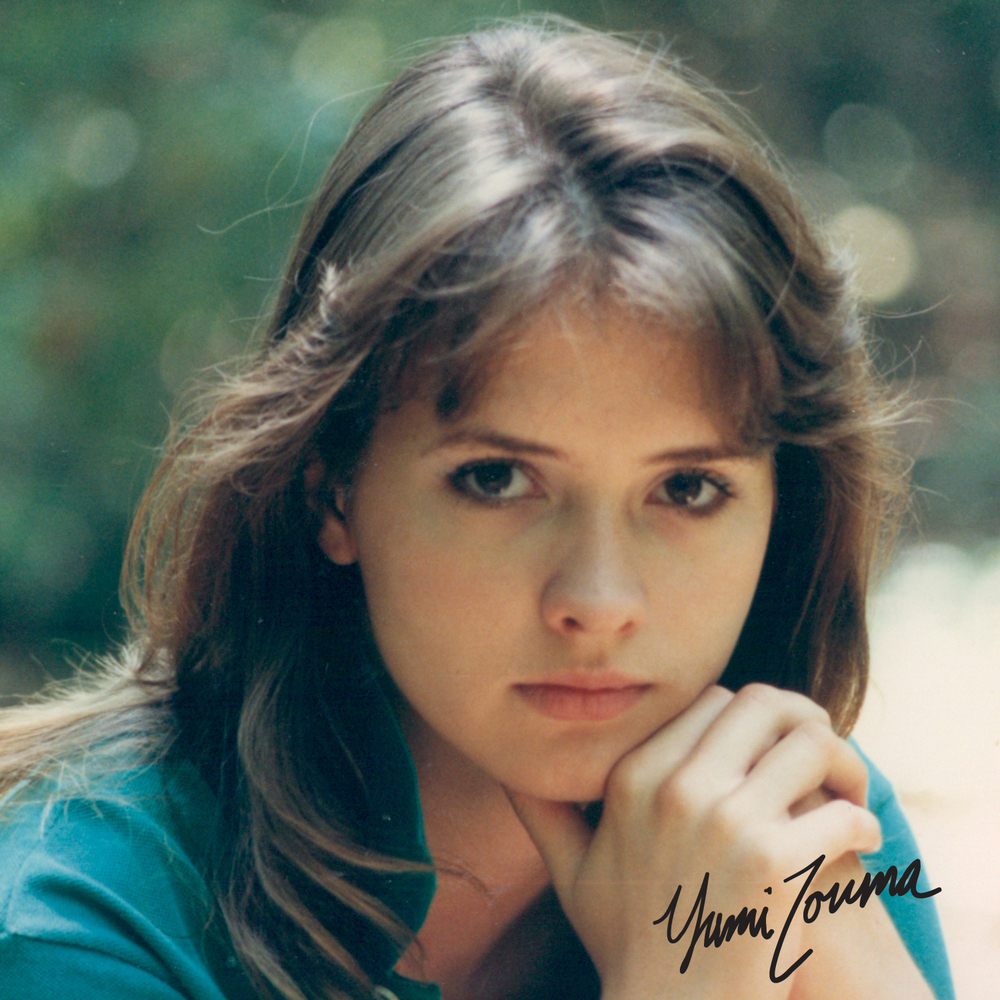
 View Artist