Song Meaning
The lyrics paint a picture of a fleeting moment, a shared sunset that feels on the verge of disappearing, much like a breath on a windowpane. This delicate scene immediately sets a tone of tender anticipation, as the narrator declares, "Now our hearts / Will start to slide / Into a sweet world." It’s a direct, almost physical sensation of beginning, a surrender to an unfolding emotional experience.
The central tension arises from a defiance of conventional wisdom about love’s transience. The narrator rejects the idea that love, like summer, must end, stating firmly, "Who decided that sad thing? / I don't believe it." This disbelief is echoed later when they dismiss the notion that love fades "like the tide going out," again asserting, "Who first said that? / I don't believe it." This repeated rejection forms the emotional core, a stubborn hope against perceived natural laws of romance.
A striking element is the contrast between external, potentially melancholic observations and the internal, determined optimism. While the narrator notes the "fading sky" with a sense of poignancy, and hears songs about love’s impermanence on the radio, their own heart is actively choosing a different path. The repeated phrase, "Our hearts / Will start to slide / Into a sweet world," acts as an incantation, a conscious redirection of emotional energy away from doubt and towards a hopeful, self-created reality.
This song’s power lies in its simple, direct articulation of choosing belief over resignation. The imagery is gentle but firm, focusing on the internal decision to embrace a "sweet world" despite external suggestions of inevitable endings. The repeated, almost mantra-like chorus solidifies this commitment, making the act of believing in a lasting, sweet connection the central, affecting message.
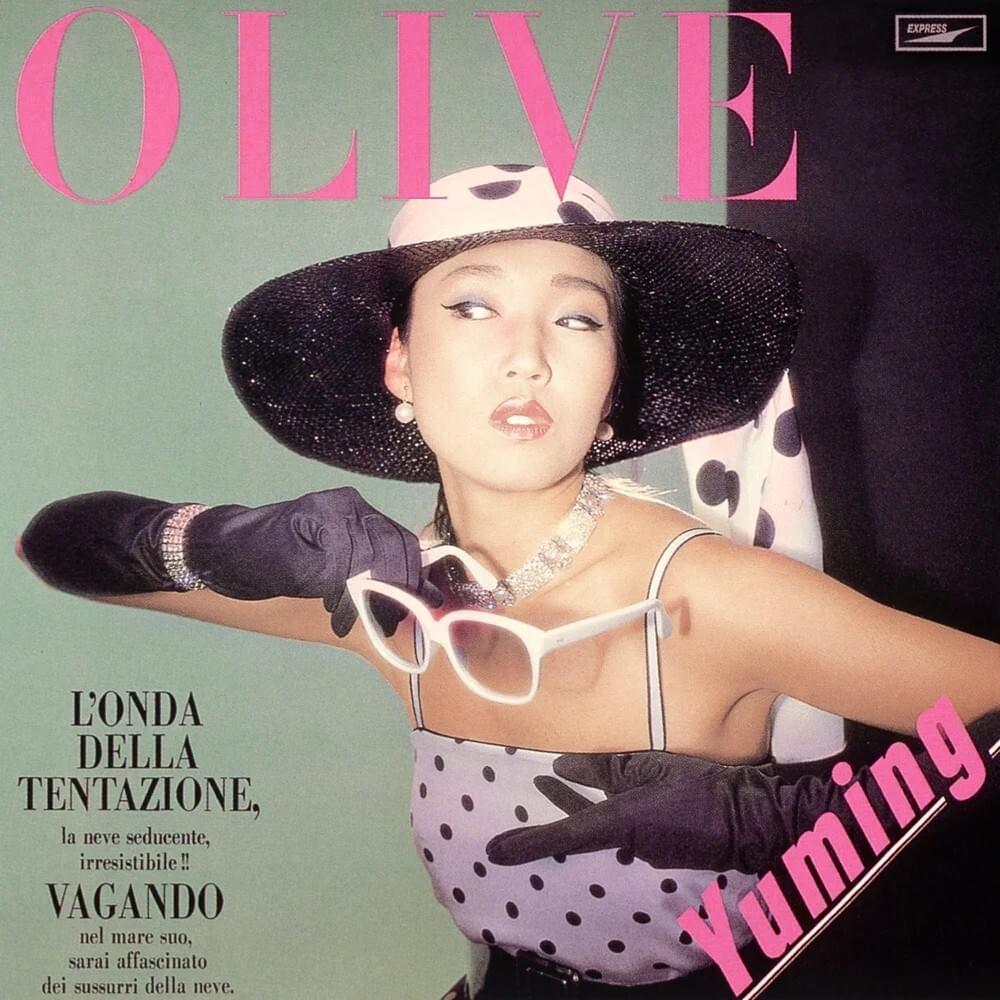
 View Artist