Song Meaning
The lyrics paint a scene of unexpected encounter, where the mundane world of a street and its "crowd" intrude upon a moment of quiet contemplation, immediately casting a sense of unreality. The narrator feels they are witnessing an "illusion" as a familiar "silhouette" rushes in, pushing against glass, and a past love enters the present space. This sudden intrusion disrupts the narrator's solitude, bringing with it the weight of shared history and the painful awareness of distance.
The central tension lies in the stark contrast between a shared past and a fractured present. The narrator recalls a time when "everything was shared," walking together, but now they are separated, occupying "different tables" separated by a "pillar." The whispered choices of a menu by the past lover, now with someone else, highlight the irreversible separation and the narrator's inability to bridge the gap, lacking the "courage to turn around." This physical and emotional distance is palpable, a silent testament to time's passage.
The most striking element is the narrator's internal processing of this encounter. Instead of confronting the past, the lyrics suggest a desire for continued unawareness, stating "words to explain the days we haven't met are no longer needed." The narrator wishes the past lover would remain oblivious to their presence. This avoidance is further emphasized by the concluding thought: remembering a past love fondly is only possible "because the current self is happy," leading to the poignant plea, "forget me now." This reveals a complex emotional state, where present contentment is contingent on maintaining a clean break from the past.
This song's effectiveness stems from its subtle portrayal of unspoken emotions and the quiet ache of what might have been. The imagery of separate tables and whispered menu choices creates a vivid picture of lost intimacy. The narrator's internal monologue, oscillating between the shock of recognition and the resolve to remain unseen, captures the bittersweet realization that some illusions are best left undisturbed for the sake of present peace. The final lines offer a profound, almost melancholic, acceptance of separation, framing nostalgia as a luxury afforded by current happiness.
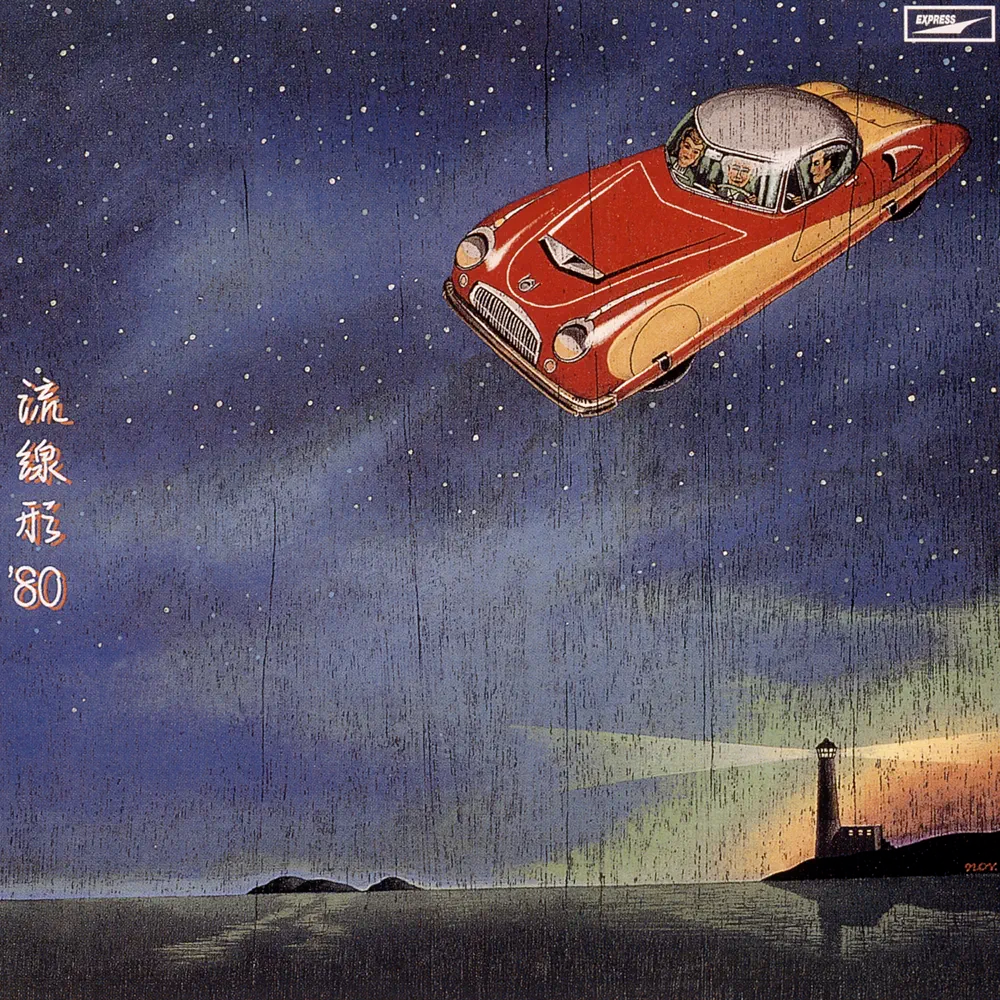
 View Artist