Song Meaning
The lyrics paint a vivid picture of a lingering regret from a past relationship, set against the backdrop of a fading afternoon. The narrator recalls a handshake, a promise to eventually "laugh and talk about it," but the memory is immediately blurred by the image of a crowd and a bus exhaling smoke, mirroring the way the moment itself dissolved. This sets a tone of poignant nostalgia, where even the physical environment seems to weep alongside the narrator, with the "dusk blurring before my eyes."
The core of the narrator's pain stems from a perceived betrayal of shared dreams. The repeated phrase "the dream you truly saw" (あなたが本気で見た夢を) highlights a significant disconnect, suggesting the narrator either dismissed or failed to support the other person's aspirations. This inability to honor those dreams is what causes the "pain," a feeling so profound it becomes the only tangible proof of genuine affection – "only the pain is the silhouette of my true heart" (今では痛みだけが真心のシルエット).
The passage of time is starkly contrasted with the enduring emotional impact. Just "three months ago" (ほんの三月前), their fingers were intertwined at an intersection, a memory so potent it feels as though the person is still walking beside her. This temporal dissonance amplifies the regret, especially as the narrator observes others moving on, getting married, and hiding their "summer vacation" (夏のバカンス) – perhaps representing youthful hopes or the relationship itself – as they embrace ordinary lives.
The plea, "Don't forgive me, even if you hate me, remember me" (私を許さないで 憎んでも覚えてて), is a desperate cry for acknowledgment of the depth of her past love and her current suffering. The recurring line, "You alone are the regret of my youth" (今でもあなただけが 青春のリグレット), solidifies this singular focus. The final lines reveal the crushing irony: the ability to "laugh and talk about it" (笑って話せるの) is now a source of sorrow because it signifies the end of a love that was given with full effort – "I loved you with all my might" (だってせいいっぱい愛した あなたを愛した).
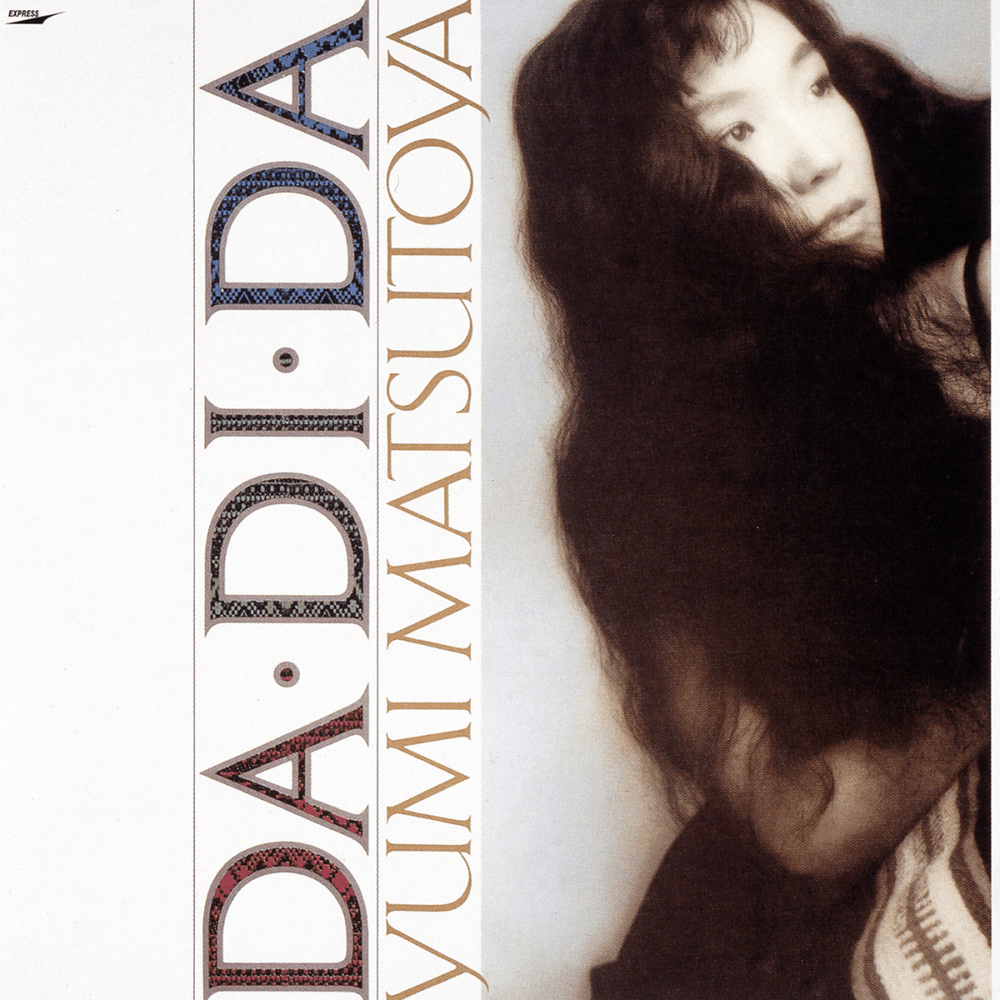
 View Artist