Song Meaning
This song paints a picture of solitary reflection in a quiet restaurant overlooking the sea. The narrator revisits a specific place, a "restaurant on the hill," a spot that triggers memories of a past relationship. The dominant mood is one of wistful longing, tinged with regret for unspoken emotions and missed opportunities. The setting itself, with its view of the distant Miura Cape on clear afternoons, becomes a backdrop for this internal emotional landscape.
The core tension lies in the contrast between the present solitude and the imagined shared past. The narrator laments, "If I could have cried my heart out then," suggesting a pivotal moment where suppressed feelings might have altered the course of events. This hypothetical scenario, where they would be "looking at the sea together now," highlights the profound sense of loss and the enduring impact of that unexpressed sorrow. The memory of the past lover, seen across the table, is vivid yet intangible, existing only in recollection.
The lyrics employ subtle yet powerful imagery to convey this emotional state. The cargo ship passing through the soda water, with its "tiny bubbles disappearing like love," is a poignant metaphor for fleeting moments and lost connections. The act of writing "Don't forget me" on a paper napkin, with ink bleeding, captures the desperation and fragility of trying to hold onto a fading memory. The narrator is caught between the vividness of the past and the quiet reality of the present.
Ultimately, the song's effectiveness stems from its delicate portrayal of regret and the quiet ache of what might have been. The specific details—the restaurant's name, the view, the paper napkin—ground the abstract feeling of loss in tangible reality. It’s this grounded melancholy, the quiet observation of a solitary afternoon, that makes the narrator’s longing so resonant and palpable.
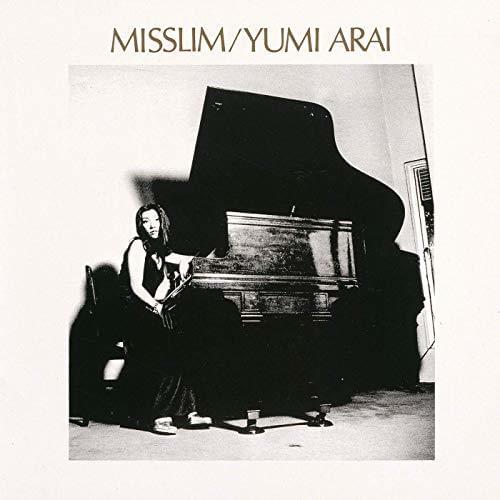
 View Artist