Song Meaning
The lyrics paint a picture of a slow, deliberate journey towards a peaceful resolution, emphasizing a gradual transition. The repeated word "Yavaş" (slowly) acts as a mantra, guiding the listener through a process of letting go and finding tranquility. The imagery of "rolling and swaying" and "grass on your wounds" suggests a gentle, perhaps even passive, movement towards a "serene park" where "everything will remain in the past."
The core tension lies in the juxtaposition of "peace and war" being "like brothers." This suggests an inherent cyclical nature or a close relationship between conflict and its resolution, implying that peace isn't the absence of struggle but rather a natural, albeit slow, progression that follows it. The lyrics propose that despite the closeness of these states, "everything will fall into place" with time.
The most striking aspect is the persistent, almost hypnotic repetition of "Yavaş." This isn't just about speed; it's about the *method* of arrival. The act of "rolling and swaying" and the sensation of "grass on your wounds" aren't necessarily active choices but rather the natural consequences of moving slowly, allowing time and nature to heal and transform. This gentle, unhurried approach is presented as the path to eventual peace and acceptance.
This lyrical approach is effective because it mirrors the very feeling it describes: slowness, patience, and the eventual easing of burdens. The repeated "Yavaş" creates a calming, meditative effect, drawing the listener into a state of acceptance. The idea that peace and war are kin, and that resolution comes not by force but by gradual yielding, offers a unique perspective on overcoming hardship, suggesting that true peace is found in the unforced passage of time and the natural healing that follows.
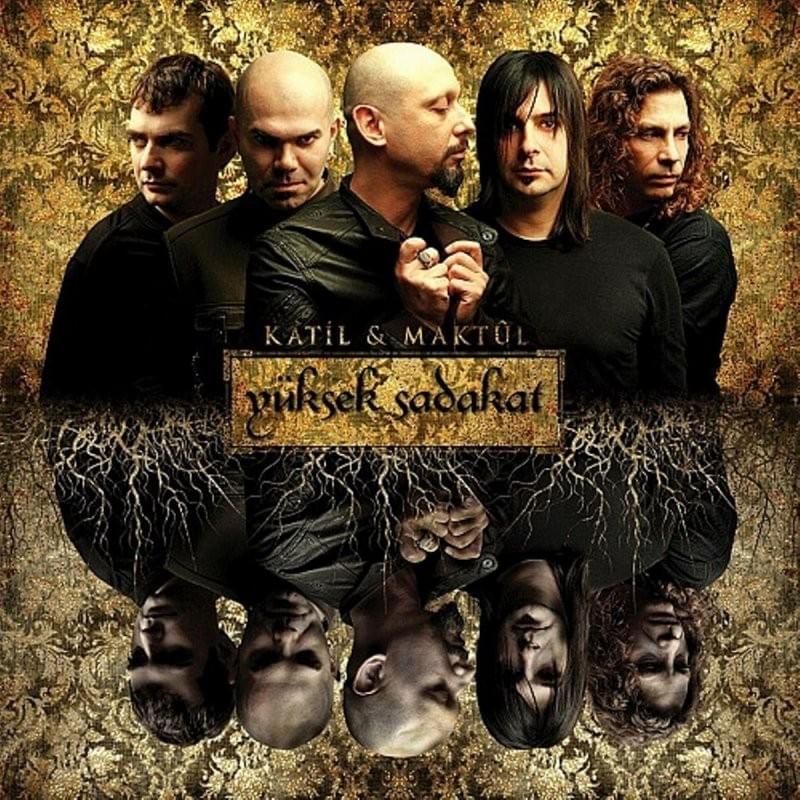
 View Artist