Song Meaning
The narrator expresses a deep desire to emulate the iconic status and artistic freedom of Eminem, specifically referencing "The Eminem Show." This aspiration comes with a stark contrast to the expected image of an American hip-hop artist. Instead of the typical "Sean John" apparel, the narrator imagines appearing on stage "in shorts and naked," suggesting a rejection of mainstream fashion and a desire for raw, uninhibited self-expression. This sets up an immediate tension between the idealized persona and the narrator's perceived reality.
The core of the narrator's ambition lies in becoming a "Russian Eminem," a "phenomenon." This involves a complex fantasy of achieving a certain level of fame and artistic validation, even to the point of desiring a music video directed by Black artists, a reversal of typical industry dynamics. The line "I want to be a temporary faggot" is particularly striking, suggesting a willingness to adopt any persona or identity, however transient or controversial, to achieve legendary status and have their life story immortalized in books. The request for a "white wig, so I give a blondish gleam" further emphasizes this performative aspect of their desired identity, seeking a visual transformation to match their aspirational myth.
The lyrics employ a direct, almost confrontational tone, juxtaposing the grand ambition with mundane or even absurd details. The repetition of "I get high on the memory" from the intro, sampled from Freda Payne, initially seems to set a mood of escapism, but in the context of the verse, it takes on a new meaning. It suggests that the narrator's "high" is derived not from substances, but from the *memory* of what they want to achieve, a potent, almost hallucinatory drive. This internal focus on memory and aspiration, rather than external reality, fuels the narrator's desire to break molds and create their own legend, even if it means adopting a temporary, performative identity.
Ultimately, the effectiveness of these lyrics stems from their raw honesty about ambition and the lengths one might go to achieve a desired identity. The narrator's willingness to embrace a self-constructed, almost theatrical persona, complete with visual cues like a wig, highlights the performative nature of fame. The contrast between the desired "phenomenon" status and the self-deprecating "temporary faggot" and "naked" stage presence creates a compelling, albeit uncomfortable, portrait of artistic yearning and the complex relationship between identity and image in the pursuit of legendary status.
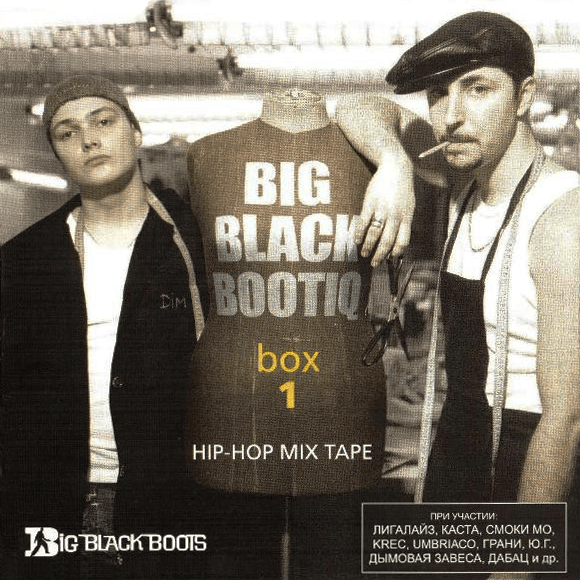
 View Artist