Song Meaning
The lyrics paint a stark, autumnal picture of a familiar place, yet one that feels frozen in time. The "old town" is stripped bare, with "leaves covering everything" and "bare trees." This desolate scene, described as "all as before," sets a somber stage. It’s a landscape that mirrors a sense of stasis, where external elements change with the seasons but the core feeling remains constant.
The central tension arises from the contrast between the enduring, harsh natural elements and the fractured human connection. The "winds still whip across the Danube" is a powerful, recurring image of relentless force. Yet, the narrator declares, "we are opposite worlds." This isn't just a breakup; it's a fundamental divergence, a chasm that the persistent winds can't bridge. The repetition of this line emphasizes the unbridgeable gap, highlighting the emotional distance despite the shared, unchanging environment.
The most striking aspect is the juxtaposition of the external, unchanging landscape with the internal, lost connection. The narrator acknowledges the passage of time through the season, stating "It's autumn, I remember you." However, the memory is tinged with the uncertainty of the present: "But someone else is young." The question, "Where are you, first love? / And what do you look like now?" reveals a profound sense of loss and disconnection, a yearning for a past self and a lost relationship that the present can't reconcile.
This lyrical construction is effective because it grounds abstract feelings of loss and separation in concrete, evocative imagery. The persistent, almost violent "winds" serve as a constant reminder of forces beyond control, mirroring the uncontrollable drift between two people. The simple, direct questions about the lost love make the emotional weight palpable, suggesting that while the world outside may remain the same, the internal landscape has been irrevocably altered by absence.
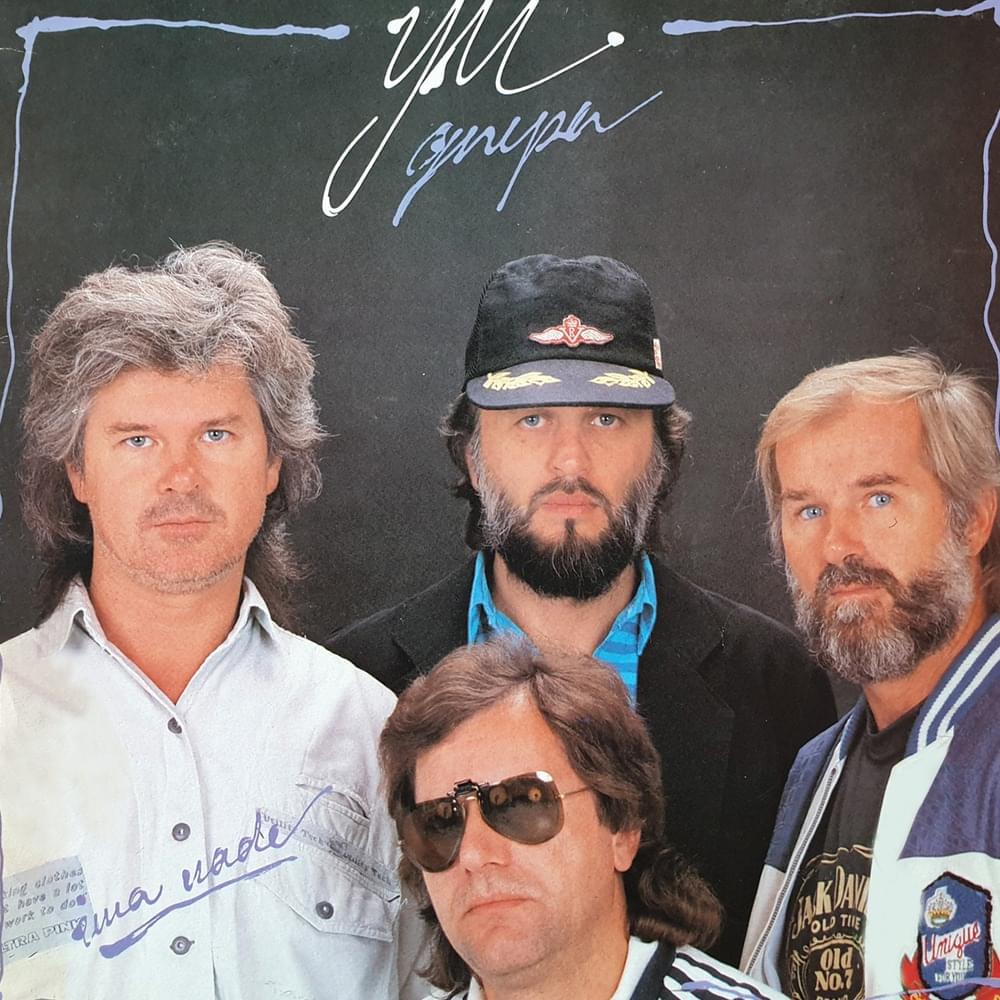
 View Artist