Song Meaning
The lyrics paint a picture of missed opportunities, using the recurring image of a train. It's simple to board when the train is stationary, a moment of ease and accessibility. However, hesitation or waiting too long means the train departs, leaving the chance to get on behind. The repeated phrase "Det er lett å gå på toget når det står" emphasizes this initial, easy possibility.
The central tension lies in the consequence of inaction. The narrator states plainly, "Du kan'kke hoppe på toget når det går," highlighting the irreversible nature of a departing train. This isn't just about a literal train; it suggests a broader commentary on timing and the point of no return. Once a chance has passed, the opportunity to engage with it is gone.
The most striking element is the stark contrast between the ease of boarding a stationary train and the impossibility of boarding a moving one. The lyrics then shift to a resigned acceptance: "Da kan du like godt gi deng / Og la det gå hele natta." This suggests a surrender to the missed opportunity, a decision to let the moment pass entirely rather than chase a lost cause. The repetition of "hele natta" amplifies this sense of prolonged, passive observation.
This piece resonates because it captures a universal feeling of regret over inaction. The simple, direct language and the clear metaphor of the train make the emotional weight of missed chances palpable. It’s the quiet acknowledgment that some doors close, and sometimes, all you can do is watch them go.
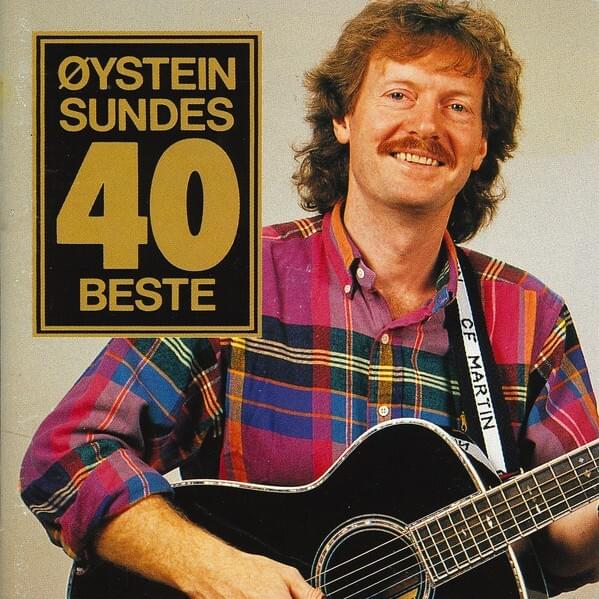
 View Artist