Song Meaning
Youth Lagoon's "The Sling" drifts in on a wisp of existential reckoning, a fragile sonic architecture built on the uneasy foundation of memory and love. The opening lines, "It was all on me/Heaven descend/Voice of a friend," suggest a burden of responsibility, perhaps for past actions or a relationship's unraveling. The repeated desire to "start again" hints at a deep-seated yearning for redemption or a clean slate, a common human impulse when confronted with the weight of our choices. But this desire quickly twists, as the pre-chorus introduces the image of time bending "like a drunken tree," suggesting a loss of control and a distorted perception of reality.
The song's core, the repeated question of what makes the narrator "lose my head," finds its answer in the simple yet profound pairing of "love and memory." This is no saccharine declaration; instead, it acknowledges the potent, often destabilizing force of these two elements. Love, with its inherent vulnerability and potential for loss, intertwines with memory, which can be both a source of comfort and a trigger for pain. The verse about the "lonely street" and the father's conditional promise of meeting God based on kitchen cleanliness introduces a thread of societal expectation and perhaps a critique of the arbitrary rules we impose on ourselves and others in the pursuit of meaning.
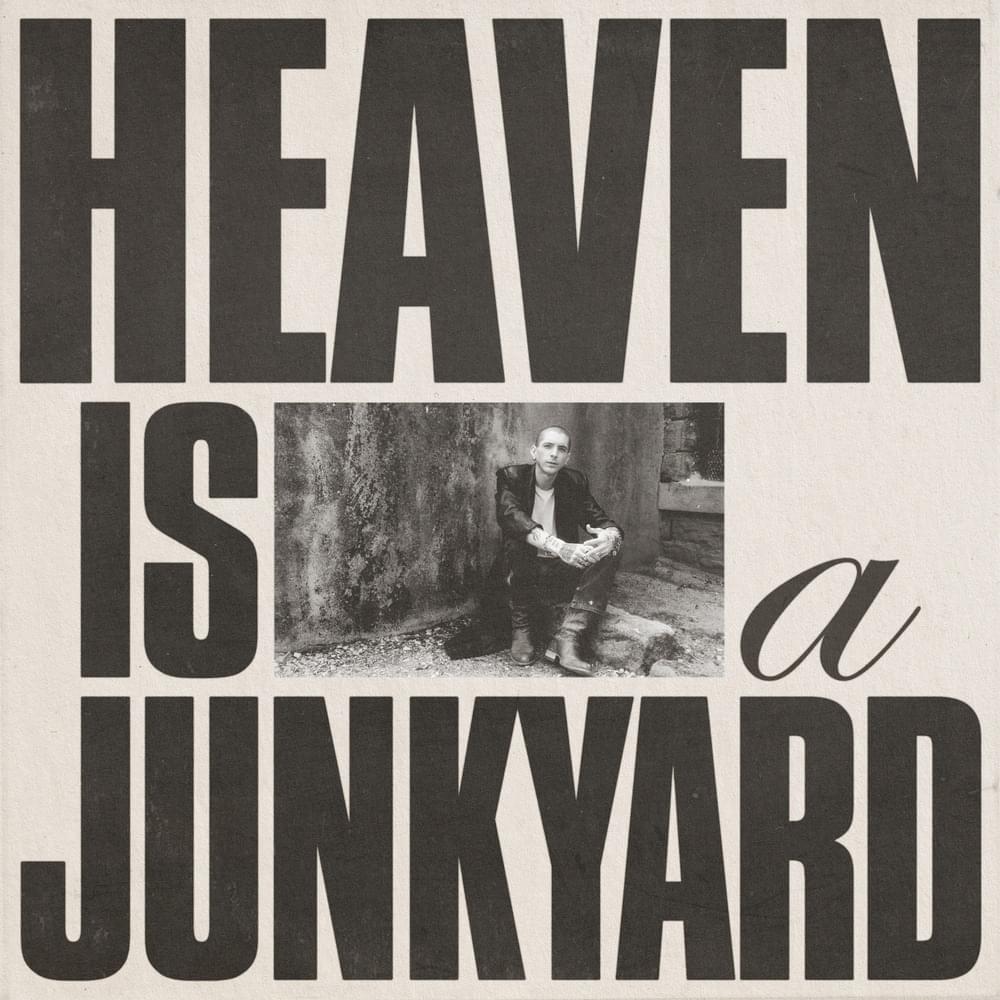
The unsettling image of a "smile so gapped/Like a stray dog's teeth" provides a stark contrast, a glimpse of something broken and untamed. The closing lines offer the most poignant revelation: "Heaven is a junkyard/And I'm at home." This isn't a rejection of hope, but rather an acceptance of imperfection, a finding of solace within the chaos and discarded fragments of life. The "sling," a symbol of both potential and danger, suggests a readiness to launch oneself forward, even with the knowledge that the target is uncertain. "The Sling" is less about finding answers and more about embracing the beautiful, messy process of being human, flaws and all. The song meaning ultimately resides in the acceptance of a flawed existence.
 View Artist