Song Meaning
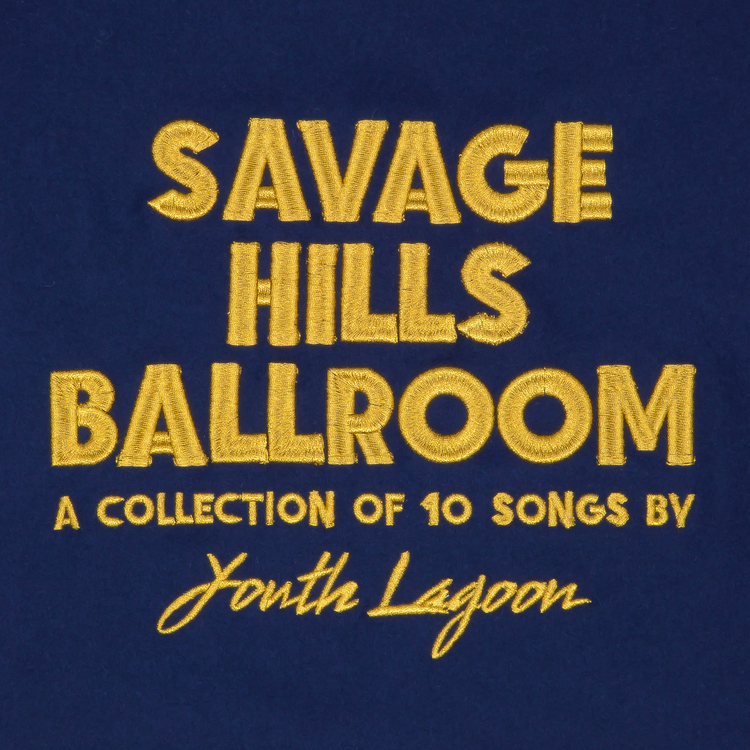
Youth Lagoon's "No One Can Tell" isn't just a song; it's a claustrophobic waltz through the anxieties of self-destruction masked by societal expectations. The ballroom setting, typically a space for celebration, becomes a stage for manic pacing and characters in elaborate costumes, hinting at the performative nature of happiness and the underlying unease. The image of the 'bridegroom standing smitten 'side the ballroom, but lying fetal in the earth's womb' encapsulates this duality—outward joy concealing an infantile fear and vulnerability. The line 'We're all babies born too soon' suggests a shared sense of unpreparedness for the complexities of adulthood and the pressures of societal norms. The song's core anxiety revolves around a fear of self-destruction, a deeply personal struggle masked by a facade of normalcy.
The lyrics paint a picture of decay and disillusionment. The 'dress is stained with wine,' symbolizing indulgence and perhaps a fall from grace. The mention of the father's vision of financial ruin adds a layer of familial anxiety, suggesting a legacy of instability. The brother's consumption of 'white cake like it's a slab of meat' is a grotesque image, highlighting the insatiable hunger and potential for excess that can lead to self-destruction. The line 'Can the world be abundant if there's nothing left to eat?' questions the sustainability of pursuing pleasure without considering the consequences.
Ultimately, "No One Can Tell" explores the isolating experience of battling inner demons while maintaining a semblance of normalcy. The recurring line, 'I live in fear, of destroying myself, but no one can tell,' underscores the theme of hidden suffering. The closing lines, referencing a comatose state, rose petals in the vacuum, and the confession 'I am never real. I am a costume,' solidify the feeling of detachment from reality and the burden of maintaining a false image. The 'wedding furthered by cheap booze' suggests a superficial union, devoid of genuine connection, mirroring the protagonist's own fractured sense of self. Youth Lagoon uses vivid imagery and stark confessions to create a haunting portrayal of internal turmoil concealed beneath a veneer of social acceptability.
 View Artist