Song Meaning
The lyrics paint a vivid picture of longing for a past love, a relationship that feels both intensely personal and irrevocably gone. The narrator wishes to return to the comfort of their lover's embrace, like a child seeking solace, and cherishes the memory of a love that began with a "green wind" and bloomed into something deeply meaningful. This desire to recapture a moment of warmth and connection is palpable, even as the narrator acknowledges the impossibility of going back.
The central tension lies in the bittersweet remembrance of a love that brought immense happiness but has now ended. The narrator clings to specific sensory details – the lover's touch that warmed them, the scent left behind – while grappling with the finality of separation. There's a desperate plea for one last affirmation of love, a simple "I love you" or a hug, before the connection is severed forever. This plea is underscored by the knowledge that this is the final moment of seeking, the last chance to hold onto what was.
The recurring image of the "blue lemon" is particularly striking. It's presented as something that leaves only scent or memory, suggesting a love that was perhaps intense and unique but ultimately fleeting and perhaps even a little sharp or bittersweet, like the taste of a lemon. The contrast between the imagined comfort of the past and the present reality of separation is stark. The narrator recalls shared dreams and whispered affections, but these memories now serve to highlight the absence of the lover, who is now leaving.
This song's emotional power stems from its raw vulnerability and the specific, intimate details it uses to convey a universal feeling of heartbreak. The narrator's willingness to ask for one last moment of affection, even while declaring they won't seek again, is a poignant expression of lingering attachment. The repeated phrase, "I won't look for you again," acts as a desperate attempt at self-preservation, a promise to move on that is undermined by the heartfelt "I will really miss you" at the very end.
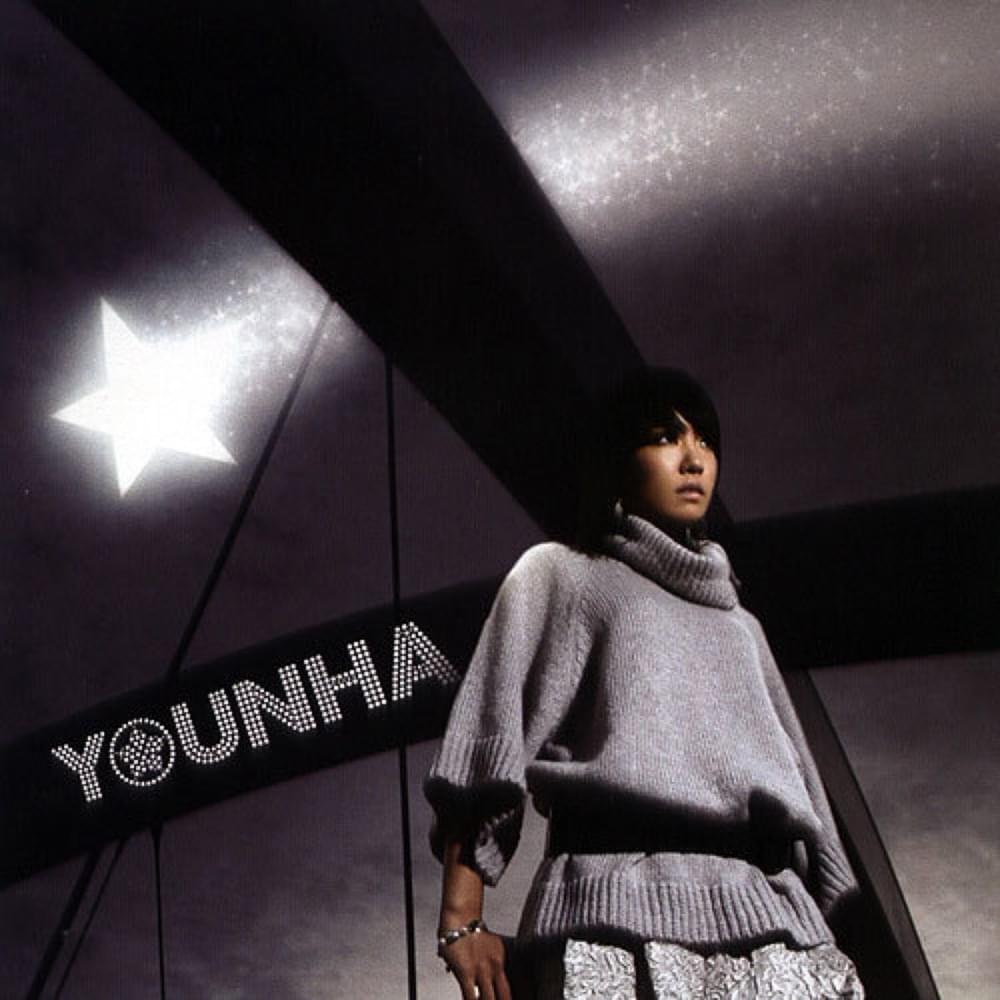
 View Artist