Song Meaning
The lyrics paint a picture of an apocalyptic or intensely transformative moment, where "castles to dust" suggests the end of an era or a world. Yet, amidst this destruction, a profound sense of connection emerges, focusing on "nothing left here but us." The repeated line, "The sun didn't rise in the west," is a striking inversion of natural order, hinting at a reality fundamentally altered, but this is immediately countered by the observation that "there's beauty when it sets," finding solace and aesthetic appeal even in endings.
The central tension lies in confronting an overwhelming sense of finality with an unwavering commitment to a shared existence. The narrator declares, "Now and forever, love, we'll live and die together," directly addressing a profound fear of loss by embracing it. This acceptance is so strong that it leads to the powerful statement, "I'm not afraid," a direct defiance of the bleak circumstances suggested by the "blood moon rise" and "castles to dust."
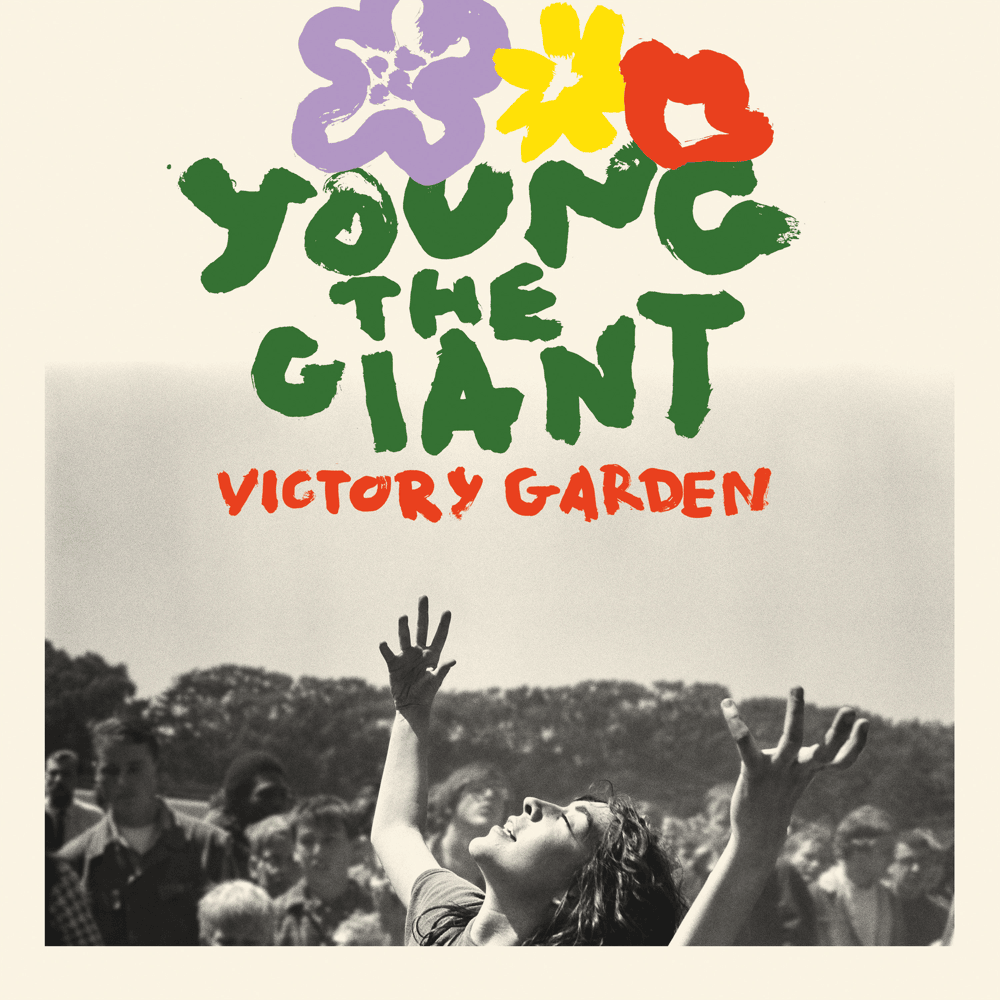
The most compelling craft element is the recurring image of "the garden where it began." This phrase acts as a powerful anchor, a sacred space of origin and enduring connection that transcends the current devastation. It suggests a place of shared memory and foundational love that the couple will return to, or that exists eternally for them, even as their world crumbles. The contrast between the destructive imagery and the serene, primal "garden" is what gives the lyrics their emotional weight.
Ultimately, these lyrics resonate because they articulate a profound human desire to find meaning and connection in the face of absolute endings. The writing skillfully uses cosmic and destructive imagery, juxtaposed with the intimate and eternal promise of a shared space, to create a powerful testament to love's resilience. The unwavering declaration of fearlessness in the face of oblivion, rooted in the promise of reunion in "the garden," is what makes this sentiment so impactful.
 View Artist