Song Meaning
The narrator is caught in a present-day ennui, a stark contrast to idealized past memories. The act of re-arranging their hair becomes a catalyst for recalling a seemingly simpler time, specifically the Sixties, where love felt unburdened and carefree. This nostalgic haze is amplified by a dismissive mention of academic worries, suggesting a desire to escape present-day pressures.
The core tension arises from the sterile, isolating present versus the vibrant, free-spirited past. The "plastic home" and the futility of reaching out via phone – "it won't answer 'cos / There's no-one home" – paint a picture of profound loneliness. This emptiness is juxtaposed with the narrator's plea to be excluded from a list of possessions and past relationships, highlighting a desire for genuine connection over superficial inclusion.
The most striking craft element is the shift from personal memory to a directive, almost accusatory tone. The command to "Count your possessions out one by one" and then to "Include your lovers" builds to a powerful demand for exclusion: "Include me out, don't label me." This transition underscores the narrator's rejection of being categorized or treated as just another item on someone's inventory.
Ultimately, these lyrics resonate because they tap into a universal feeling of being overlooked or reduced to a mere object. The specific imagery of the "plastic home" and the contrast with the "good times" create a palpable sense of dissatisfaction. The narrator’s final, emphatic plea to be left out offers a poignant expression of seeking authentic recognition rather than passive inclusion.
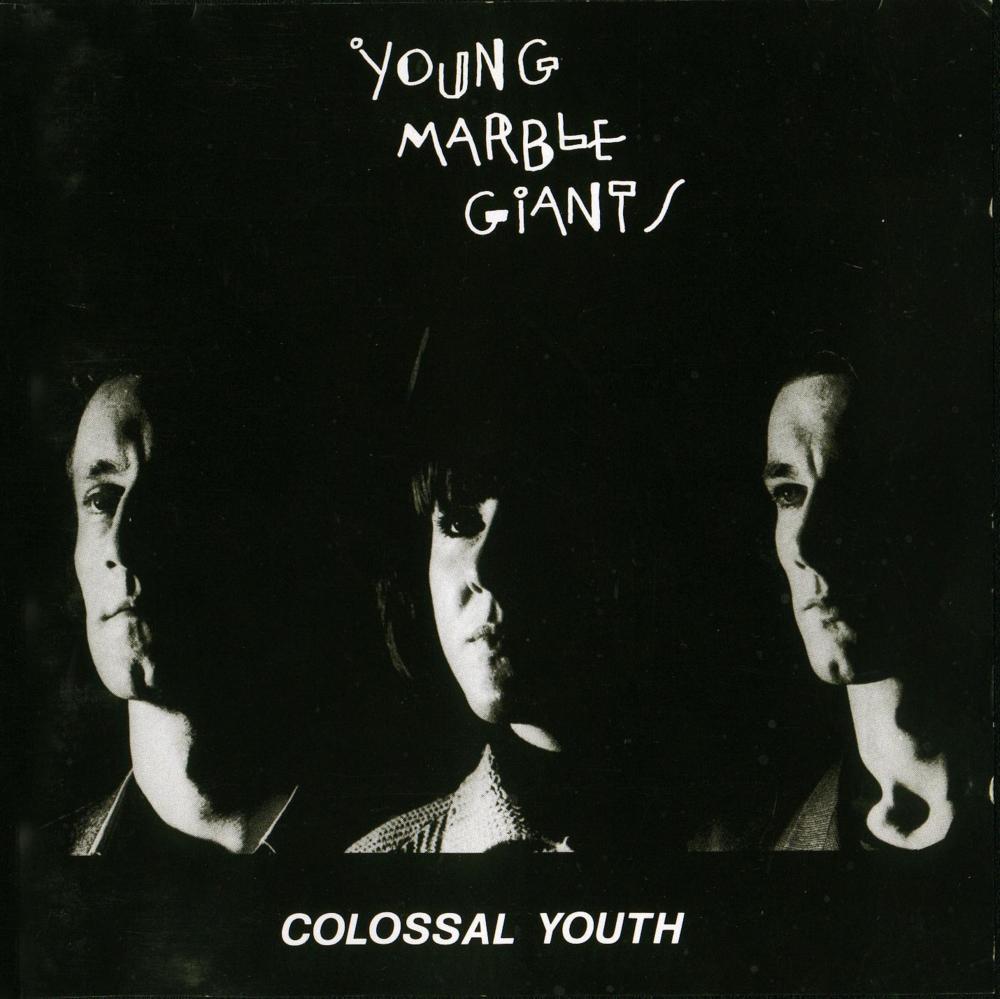
 View Artist