Song Meaning
The lyrics paint a picture of intense internal struggle and disorientation. The narrator feels blinded by a desire for the future, a common human impulse, but here it's amplified into a dangerous, time-sensitive race against themselves. This urgency creates a palpable sense of anxiety, a feeling of being trapped in a confusing and perilous present moment. The opening lines immediately establish a tone of desperate yearning mixed with a frantic awareness of dwindling time.
The core conflict seems to stem from an internal disconnect. The narrator is told there's "nothing there," yet their "crazy self" acts out, suggesting a battle between external advice or perceived reality and an internal, perhaps irrational, drive. This internal exploration leads to a profound sense of alienation, as the narrator looks "inside" and doesn't recognize themselves, metaphorically pushing against an unyielding "wall."
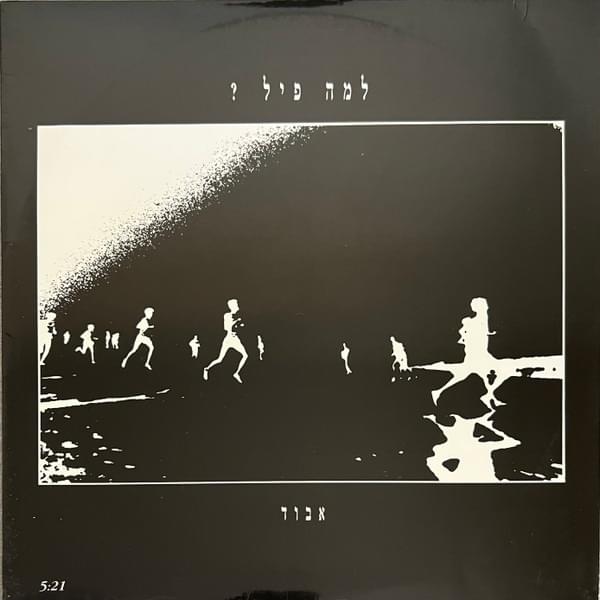
The chorus offers striking imagery of sensory overload and disappointment. Light, usually a source of clarity, instead "pours pain into the eyes," a powerful inversion that suggests overwhelming truth or realization is unbearable. The sky is replaced by "gray dust," a bleak and suffocating substitute for hope or openness, reinforcing the feeling of being lost and disoriented. The repetition of "running, running, time is running out" in the final chorus amplifies the desperation.
This lyrical construction effectively conveys the feeling of being lost within oneself. The contrast between the desire for the future and the painful present, coupled with the internal alienation, creates a potent emotional landscape. The specific, almost physical, descriptions of pain from light and dust ground the abstract feeling of being "lost" in a tangible, visceral way, making the narrator's internal crisis feel immediate and intense.