Song Meaning
Yoon Sang's "그 눈 속엔 내가 (I'm in the Snow)" isn't a straightforward love song; it's a study in melancholic obsession and the stubborn refusal to let go of the past. The core of the song meaning lies in the speaker's admission of being unable to forget a past relationship, almost as a point of pride, despite acknowledging it's "nothing to be proud of." This hints at a complex emotional landscape, where clinging to memories, even painful ones, provides a sense of identity or continuity. The "낡은 사진 속엔" (old photo) acts as a trigger, resurrecting not just the image of the former lover, but also the speaker's past self alongside them. It's a double-edged sword: nostalgia intertwined with the recognition of irreversible change.
The repeated line, "이럴 줄 알았어, 내가 말했잖아" (I knew it, I told you), suggests a fatalistic acceptance of this emotional imprisonment. The speaker seems to have foreseen their inability to move on, almost as if bound by a self-fulfilling prophecy. This hints at potential issues with closure or an unwillingness to confront the reasons behind the relationship's end. The phrase "멈췄던 시간이 삐걱거리며 움직이고 있어" (time that had stopped is creaking and moving) beautifully captures the jarring reawakening of dormant emotions, triggered by the rediscovery of the photograph. The visual of the "책갈피 속에 숨어있던 너의 사진 때문에" (because of your picture hidden in the bookmark) further reinforces the idea of suppressed memories now resurfacing.
The title, "그 눈 속엔 내가 (I'm in the Snow)," takes on a deeper resonance as the lyrics progress. The speaker finds solace, or perhaps a kind of validation, in the idea that they still exist within the memory of their former lover—"너의 까만 두 눈 속엔 늘 내가 있구나" (I'm always in your dark eyes). This can be interpreted as a desperate attempt to maintain a connection, even if only in the realm of the past. It speaks to a fundamental human desire to be remembered and to leave a lasting impression on those we've loved. The bridge, "나를 보는 그 눈 속엔 내가 숨어 있구나" (I'm hidden in those eyes looking at me), reinforces the cyclical nature of memory and identity, where the speaker's sense of self is inextricably linked to the gaze and perception of the other person.
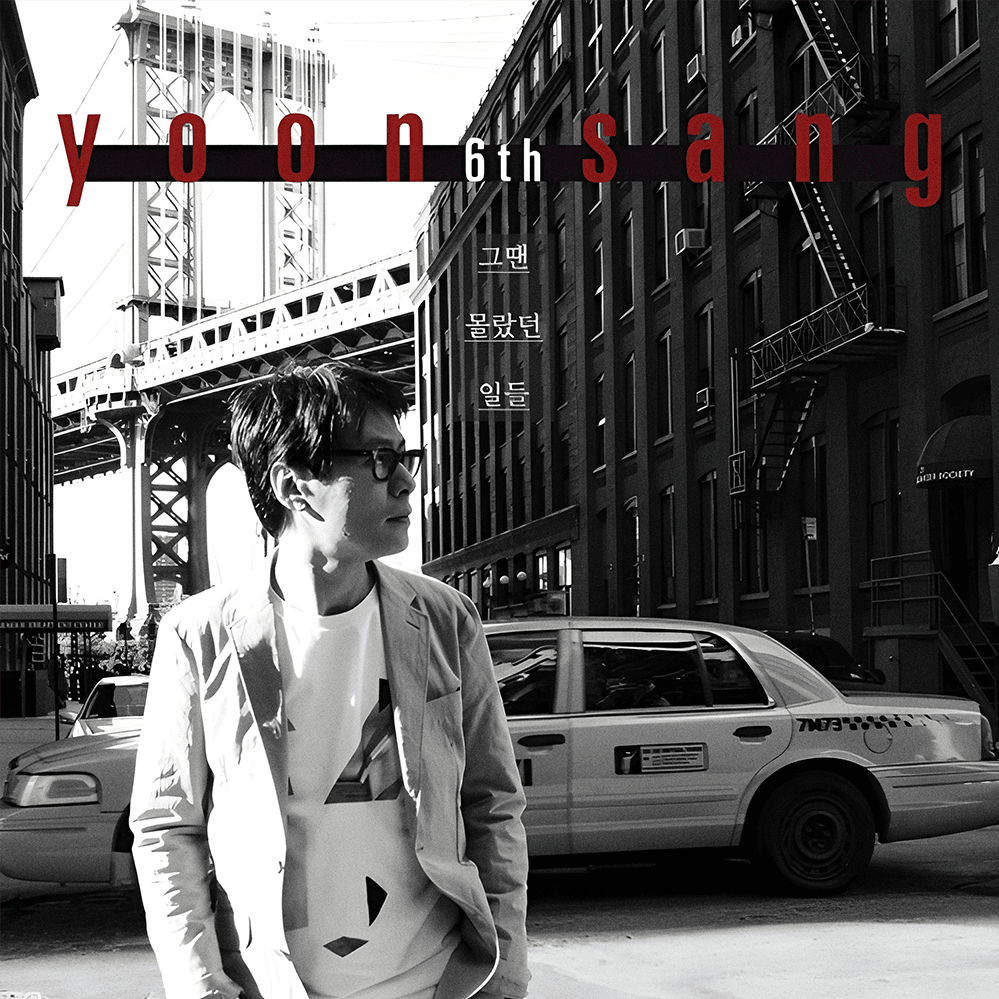
 View Artist