Song Meaning
Yoon Sang's "Back To The Real Life" is a poignant invitation to disengage from the curated realities of screens and reconnect with tangible existence. The lyrics paint a portrait of someone deeply absorbed in the artificial emotions and manufactured dramas presented online. The opening verses highlight the listener's empathetic connection to these fabricated narratives, where "fake tears" and "fake love" become their perceived reality. This immersion, however, comes at a cost: a detachment from genuine human connection. The pre-chorus, with its simple question "What are you doing?," serves as a gentle yet urgent wake-up call, reminding the listener that those who truly care for them are not within the digital world. The repeated plea to "return to your street, into a world where warm blood flows" underscores the song's central theme: the necessity of embracing authentic experience over simulated substitutes.
As the song progresses, the lyrics delve deeper into the insidious nature of online detachment. The listener not only internalizes artificial emotions but also adopts "fake justice" as their moral code, highlighting the potential for digital echo chambers to warp one's perception of right and wrong. The second pre-chorus reiterates the initial question, underscoring the urgency of breaking free from this digital prison. The chorus shifts slightly, acknowledging that the listener has been "lost in a sweet dream," a temporary escape that ultimately proves unsustainable. This "dream," however, is revealed to be a cycle of repetition without resolution, a stagnant loop that prevents genuine growth and fulfillment. The bridge delivers the song's most direct message, shattering the illusion of consequence-free existence. Lines like "Painless wounds don't exist" and "Love without responsibility is a lie" expose the superficiality of online interactions, contrasting them with the complexities and demands of real-world relationships.
The song meaning of "Back To The Real Life" revolves around the psychological allure and potential pitfalls of simulated experiences. Yoon Sang doesn't condemn technology outright, but rather urges listeners to maintain a healthy balance between the digital and the tangible. The final chorus, with its assertion that "there is no such thing as an endless dream," offers a glimmer of hope. It acknowledges the temporary appeal of escapism but ultimately affirms the impermanence of illusion. The song serves as a reminder that true fulfillment lies not in the curated realities of screens, but in the messy, complex, and ultimately more rewarding realm of "real life." This lyrics analysis suggests the song is a call to action, urging listeners to awaken from their digital slumber and reclaim their place in the world of authentic human connection.
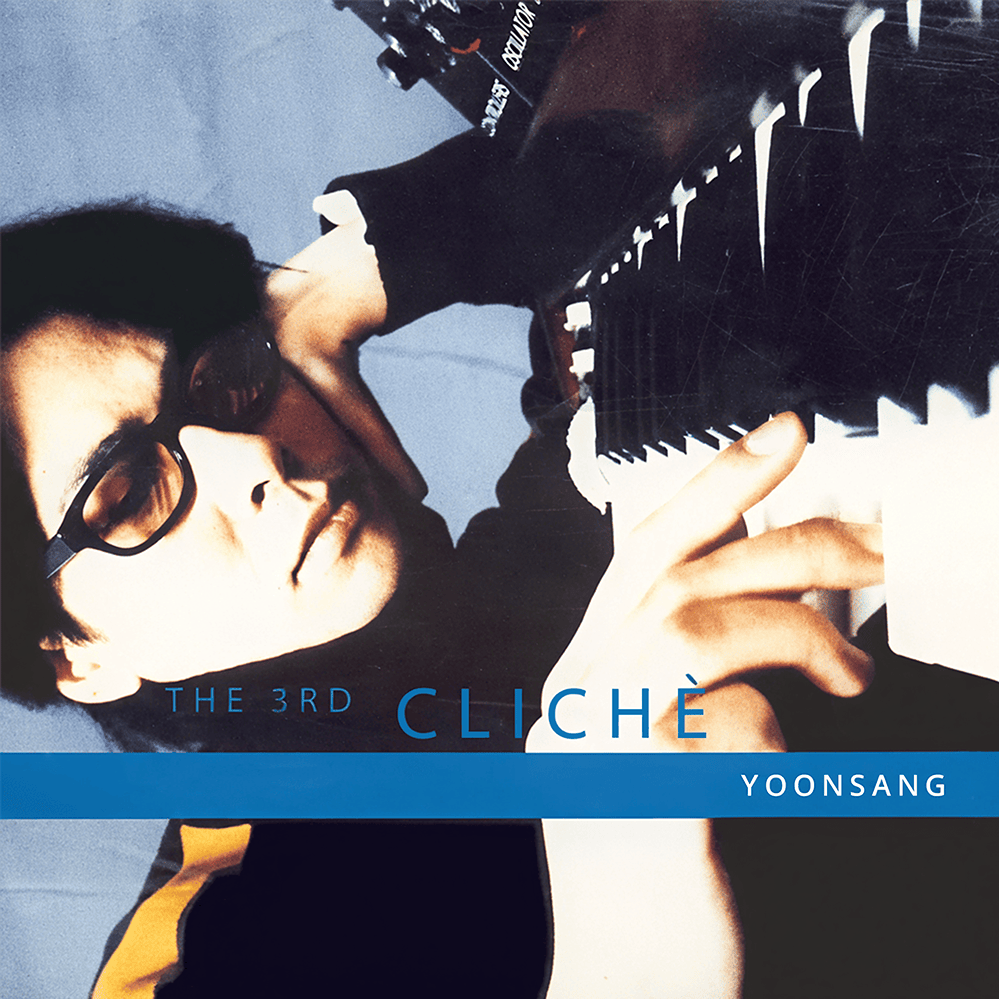
 View Artist