Song Meaning
The lyrics paint a raw picture of lingering love and regret after a painful breakup. The narrator opens by recalling the difficult farewell, urging the ex-lover to be happy while admitting the finality of their parting words. There's a palpable sense of loss, as the narrator confesses that phrases like "I love you" are now things they can no longer say, emphasizing the chasm that has opened between them. This sets a tone of deep sorrow and unfulfilled affection.
The central tension lies in the narrator's inability to move on, despite acknowledging the need to. They repeatedly state, "only you, only you, only you" were loved, highlighting how this singular focus defined their past relationship. The apology for causing pain, coupled with the admission that returning is impossible, creates a poignant conflict between past devotion and present reality. This internal struggle is amplified by the desperate plea to forget, even memories, to cope with a hurting heart.
The repeated phrase "only you" functions as a powerful anchor, underscoring the all-consuming nature of the narrator's past love. This isn't just a simple declaration; it's a confession of how deeply this person was integrated into their entire being, their "everything." The bridge's imagery of a "tattoo" on the heart, something impossible to erase, further solidifies this idea. It’s a stark metaphor for a love that has become an indelible part of the narrator’s identity, even after the relationship has ended.
Ultimately, the effectiveness of these lyrics stems from their directness and emotional honesty. The narrator isn't trying to mask their pain; they're laying it bare. The repetition of "only you" and the repeated "sorry" create a sense of desperate longing and regret that feels incredibly real. The final lines, shifting from "loved" to "waiting," reveal a painful stasis, a heart stuck in the past, unable to heal because the love, and the person, remain so present.
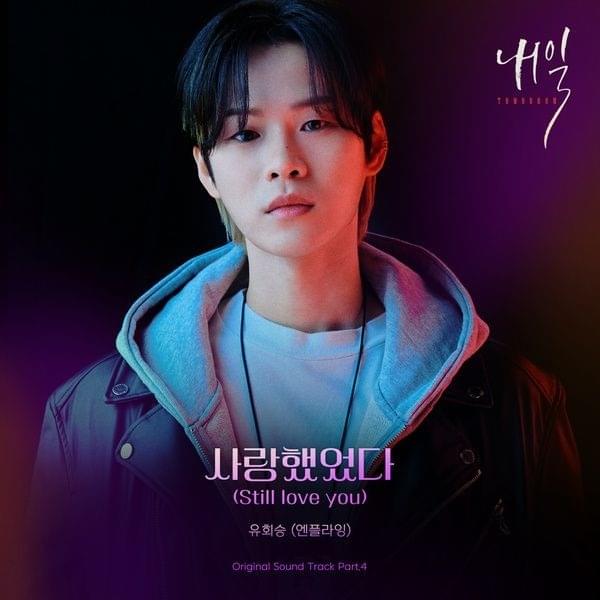
 View Artist