Song Meaning
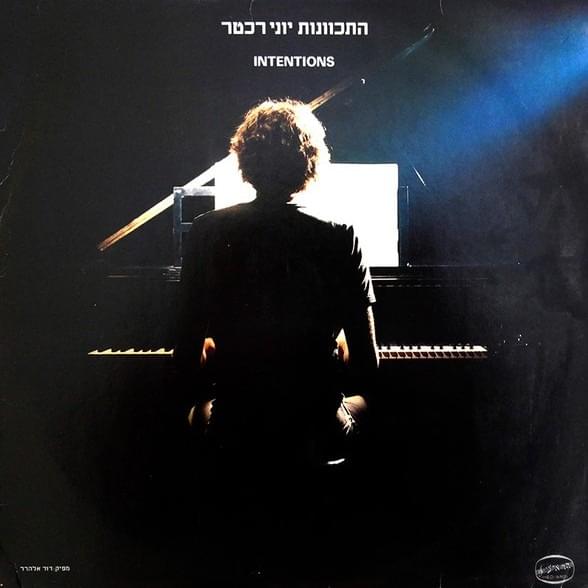
The lyrics paint a picture of quiet resignation, a steady observation of life's simple, recurring elements. We open in a small cafe, a scene set with minimal, almost stark details: a chair, a pianist, the sea, and the slow passage of time. This establishes a mood of contemplative stillness, where the dominant feeling is one of acceptance, encapsulated by the repeated refrain, "וזה כל מה שיש" – "and that's all there is."
The narrative then shifts to a familiar, dimly lit street, another recurring walk past houses and trees. The request for a light, "תן לי אש" – "give me fire," feels like a small, almost desperate plea for a spark in the mundane. The repetition of "וזה כל מה שיש" after this minor interaction underscores the feeling that even these small moments of connection or need are part of the same limited reality.
The lyrics introduce fleeting moments of human connection – "פגישה" (a meeting), "אישה" (a woman) – and the emotional ripple they create, "ורגע שרוגש" (and a moment that excites), followed by calm. This contrast highlights the transient nature of these events within the larger framework of "all there is." The heart's unspoken desires and fears are acknowledged but remain unaddressed, further reinforcing the sense of passive observation rather than active pursuit.
The final stanza circles back to the cafe, bringing the scene full circle. A customer requests the same song again, a poignant echo of the initial setting and the overarching theme. The repeated request to play the song because "that's all there is" suggests a deep-seated comfort, or perhaps a surrender, found in the familiar and the unchanging. The craft lies in this gentle, almost melancholic repetition, which builds a powerful sense of acceptance, even if tinged with a quiet sadness, for the life presented.
 View Artist