Song Meaning
The lyrics paint a stark picture of loneliness and longing, set against the backdrop of a city that feels empty without a specific person. The narrator is consumed by sadness, noting "כששוב עצוב בחוץ" (when it's sad outside again) and "כשבפנים עצוב וקר" (when it's sad and cold inside), directly linking his internal state to the external environment and the absence of the loved one. This pervasive melancholy is amplified by the feeling of being disconnected and alone, even in familiar spaces like "בית זר" (a strange house).
The central tension revolves around the narrator's desperate plea for the return of the person he loves, who has left. He calls out, "ואני רוצה בך ואת כל כך רחוקה" (and I want you and you are so far away) and "אני קורא לך ואת לא עונה" (I call you and you don't answer), highlighting the painful silence and distance. The repeated phrase "בלעדייך" (without you) underscores how essential this person is to his perception of the world, turning the vibrant city into a desolate place.
The most striking imagery is found in the chorus, where the city itself becomes a metaphor for his desolation. "כל העיר הזאת ריקה" (this whole city is empty) and "הרחובות בה יתומים" (the streets in it are orphans) powerfully convey the profound emptiness and lack of direction he feels. The streets, usually bustling with life, are now orphaned, mirroring his own orphaned state without his beloved. This personification of the city amplifies the depth of his grief and isolation.
This writing is effective because it grounds abstract feelings of loss in concrete, relatable imagery. The contrast between the narrator's internal "עצב" (sadness) and the external emptiness of the city creates a palpable sense of despair. The repeated calls to "אקרא לך" (I will call you) and the plea "שובי אל העיר הזאת עכשיו אלי" (return to this city now to me) resonate with anyone who has experienced the ache of separation and the desperate hope for reconciliation.
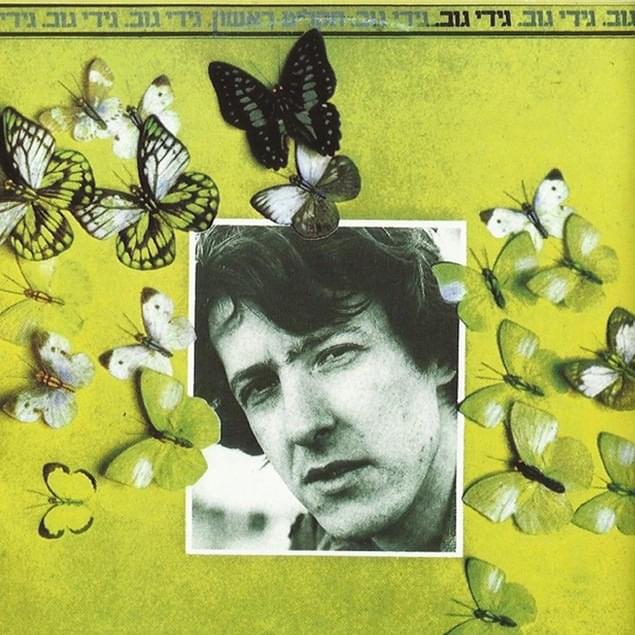
 View Artist