Song Meaning
The lyrics invoke a powerful sense of divine calling and communal yearning for peace and spiritual fulfillment. The opening lines, "דרור יקרא לבן עם בת, וינצרכם כמו בבת" (Dror will call son and daughter, and guard you like the pupil of an eye), immediately establish a protective, paternalistic divine presence reaching out to all. This is followed by a plea for rest and sanctity on the Sabbath, "שבו ונוחו ביום שבת" (Sit and rest on the Sabbath day), grounding the spiritual in a tangible, weekly observance.
The central tension arises from the contrast between the "בצר" (distress) and the "בבל אשר גברה" (Babylon which grew strong), suggesting a world beset by hardship and oppressive forces. Yet, the lyrics pivot to a hopeful vision of divine intervention and restoration, asking for "אות ישע עמי" (a sign of salvation for my people) and for "שורק בתוך כרמי" (a vine in my vineyard). This juxtaposition highlights a deep-seated faith in overcoming adversity through divine grace.
The lyrical craft employs rich, evocative imagery drawn from nature and scripture. The request for "הדס שיטה ברוש תדהר" (myrtle, acacia, cypress, cedar) in the desert paints a picture of miraculous transformation and flourishing where barrenness once reigned. The repeated use of words with roots related to "קרא" (call) and "שמע" (hear) emphasizes the active, responsive nature of the divine-listener relationship, creating a sense of urgent, reciprocal communication.
Ultimately, the effectiveness of these lyrics lies in their ability to articulate a profound spiritual longing and an unwavering belief in divine care amidst worldly troubles. The call for wisdom and observance of commandments, culminating in "שמור שבת קדשך" (guard your holy Sabbath), offers a path toward inner peace and communal strength, making the divine promise feel both ancient and deeply personal.
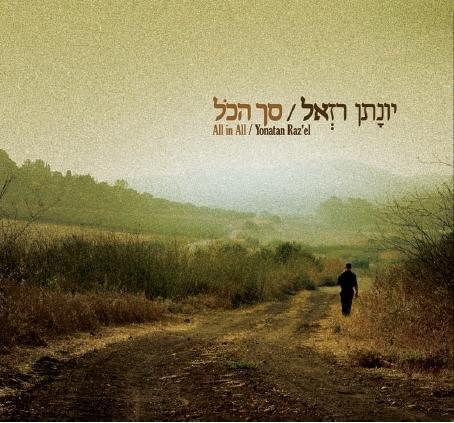
 View Artist